Friday, June 28, 2024

Ajmer

                                                             Nasiyan Jain Temple


The Nasiyan Jain Temple, also known as the Lal Mandir (Red Temple) or Ajmer Jain Temple, is a significant religious site located in Ajmer, Rajasthan. Here's an overview of this notable Jain temple:

History and Background:

The Nasiyan Jain Temple was built in the late 19th century and is dedicated to Lord Rishabhdev, the first Jain Tirthankara. It is renowned for its intricate architecture and exquisite craftsmanship, making it a prominent attraction for both pilgrims and tourists.

Features and Architecture:

  1. Main Temple (Swarna Nagari): The main attraction of the temple complex is the Swarna Nagari (City of Gold), an ornately decorated hall showcasing the Jain concept of the universe. The hall is adorned with stunning glass mosaic work, depicting scenes from Jain mythology and teachings.

  2. Digambara Jain Sect: The temple belongs to the Digambara sect of Jainism, which emphasizes asceticism and the abandonment of worldly possessions. The sect's beliefs are reflected in the temple's minimalist design and emphasis on spiritual contemplation.

  3. Museum: The temple complex also includes a museum that displays various artifacts, manuscripts, and exhibits related to Jain history, philosophy, and culture. Visitors can learn about Jainism's principles and its impact on Indian spirituality.

Cultural Significance:

The Nasiyan Jain Temple holds cultural significance as a place of worship and pilgrimage for followers of Jainism. It attracts devotees seeking spiritual enlightenment and historical insights into Jain traditions and practices.
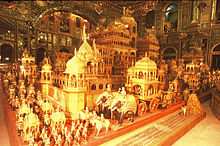


The Ajmer Jain temple, also known as Soniji Ki Nasiyan, is a Jain temple known for its architecture.
Soniji ki Nasiyan Ajmer, Rajasthan


Wednesday, June 26, 2024

Kirti Stambh, Chittorgarh


Kirti Stambh, also known as the Tower of Fame, is a historical monument located in Chittorgarh, Rajasthan, India. It stands as a symbol of Jain architecture and is renowned for its intricate carvings and detailed craftsmanship. The tower was built by a Jain merchant named Jijaji Rathod in the 12th century CE to honor Adinath, the first Tirthankara of Jainism.

Kirti Stambh is about 22 meters (72 feet) tall and is adorned with sculptures of Jain deities, celestial nymphs, and various motifs that reflect the artistic excellence of the period. The tower is constructed in the Solanki architectural style and is a notable example of medieval Rajput architecture.

It is a significant pilgrimage site for Jains and attracts tourists and historians alike due to its historical and cultural importance. The Kirti Stambh stands as a testament to the rich heritage of Rajasthan and the enduring legacy of Jainism in India.


Chittorgarh Fort, located in the city of Chittorgarh in Rajasthan, India, is one of the largest forts in India and holds immense historical significance. Here are some key points about Chittorgarh Fort:

  1. History: Chittorgarh Fort has a history dating back to the 7th century AD when it was established by the Maurya dynasty. It was the capital of the Mewar kingdom ruled by the Sisodia Rajputs for centuries.

  2. Architecture: The fort complex spans over 700 acres and is situated atop a hill, offering strategic advantages. It is characterized by its impressive gates (known as Pol), towers, palaces, temples, and reservoirs.

  3. Structures of Note:

    • Vijay Stambh (Victory Tower): Built in the 15th century by Rana Kumbha to commemorate his victory over Mahmud Khilji, this tower stands 37 meters tall and is adorned with intricate carvings of Hindu gods and goddesses.
    • Kirti Stambh: As mentioned earlier, this Jain tower of fame is another prominent structure within the fort.
    • Rana Kumbha Palace: The largest palace within the fort, known for its architectural grandeur and historical importance.
    • Padmini Palace: Famous for its association with the legend of Rani Padmini.
  4. Sieges and Battles: Chittorgarh Fort has witnessed several sieges and battles over its history, including notable ones during the Sultanate and Mughal periods. It is renowned for the Jauhar (mass self-immolation) performed by Rajput women and men in the face of defeat to avoid capture and dishonor.

  5. Cultural Heritage: The fort is a UNESCO World Heritage site and is celebrated for its cultural and architectural significance. It has inspired numerous literary works, poems, and historical chronicles.

  6. Present Day: Today, Chittorgarh Fort is a popular tourist destination and attracts visitors from around the world who come to admire its architectural splendor, learn about its history, and witness the panoramic views of the surrounding area from its ramparts.

Chittorgarh Fort stands not only as a symbol of Rajput valor and resilience but also as a testament to the rich cultural heritage of Rajasthan.

Places to Visit, Tourist Places & Chittor Fort


Tuesday, June 25, 2024

Rajasthan Tour Package


Planning a trip to Rajasthan sounds amazing! Rajasthan is known for its rich culture, majestic forts, vibrant festivals, and delicious cuisine. Here are some key highlights and tips for your Rajasthan tour package:

Key Destinations:

  1. Jaipur:

    • Visit Amber Fort, City Palace, Hawa Mahal, and Jantar Mantar.
    • Explore local markets for traditional handicrafts and textiles.
  2. Udaipur:

    • Enjoy the scenic beauty of Lake Pichola and visit City Palace.
    • Boat ride to Jag Mandir and Jag Niwas (Lake Palace).
  3. Jodhpur:

    • Discover Mehrangarh Fort, Jaswant Thada, and Umaid Bhawan Palace.
    • Explore the vibrant markets around Clock Tower (Ghanta Ghar).
  4. Jaisalmer:

    • Experience the golden sand dunes of Thar Desert.
    • Visit Jaisalmer Fort, Patwon Ki Haveli, and enjoy a camel safari.
  5. Pushkar:

    • Explore the only Brahma Temple in the world.
    • Attend the famous Pushkar Camel Fair (if visiting in November).

Tips for Your Tour:

  • Best Time to Visit: October to March for pleasant weather.
  • Transport: Hire a car with a driver for convenience and flexibility.
  • Accommodation: Choose from heritage hotels, palaces, or boutique stays for an authentic experience.
  • Cuisine: Don't miss Rajasthani specialties like Dal Baati Churma, Gatte ki Sabzi, and Lal Maas.

Additional Experiences:

  • Cultural Shows: Enjoy folk dances like Ghoomar and Kalbelia.
  • Shopping: Buy traditional Rajasthani textiles, handicrafts, and jewelry.
  • Heritage Walks: Explore the intricate lanes and architecture of old towns.

Travel Essentials:

  • Clothing: Light cottons for summers; carry a jacket for evenings in winters.
  • Health: Stay hydrated and carry basic medicines.
  • Respect Local Customs: Rajasthan has rich traditions; dress modestly at religious places.

Conclusion:

A Rajasthan tour promises a blend of history, culture, and breathtaking landscapes. Whether you're exploring majestic forts or experiencing desert life, it's a journey full of unforgettable experiences. Plan well, and enjoy your trip to the Land of Kings!

Rajasthan Tour Packages | Family and Group


You

Saturday, June 22, 2024

Junagarh Fort


Junagarh Fort, located in Bikaner, Rajasthan, India, is a magnificent structure renowned for its architectural grandeur and historical significance. Built between 1588 and 1593 by Raja Rai Singh, a general in the army of the Mughal emperor Akbar, the fort is an impressive example of Rajput military architecture.

Architecture and Design

  1. Construction Style: Junagarh Fort is built using red sandstone and marble, reflecting a blend of Rajput and Mughal architectural styles.

  2. Layout: The fort is surrounded by a moat and has several gates (suraj pol, dholi pol, chand pol, and karak pol) leading into the main complex. The interiors are a maze of courtyards, palaces, temples, and pavilions.

  3. Structures Inside: Within the fort, notable structures include:

    • Chandra Mahal: The main palace known for its gold leaf paintings and ornate mirrors.
    • Phool Mahal: The Flower Palace adorned with glass and mirror work.
    • Anup Mahal: An impressive reception hall.
    • Ganga Mahal: Where the royal family held their ceremonies.
    • Rang Mahal: The palace of pleasure adorned with vibrant frescoes.

Historical Significance:

  • Rajput Legacy: Junagarh Fort was never conquered despite several attacks, which adds to its historical valor.
  • Cultural Heritage: It houses a museum displaying an impressive collection of artifacts, weapons, costumes, and artwork that offer insights into the rich history and culture of Rajasthan.

Visiting Junagarh Fort:

  • Accessibility: Located in the heart of Bikaner city, Junagarh Fort is easily accessible and is a popular tourist destination in Rajasthan.
  • Visitor Experience: The fort provides a glimpse into the opulent lifestyle of the Rajput rulers and offers panoramic views of the city from its ramparts.

Junagarh Fort stands as a testament to the architectural brilliance and cultural heritage of Rajasthan, attracting visitors from around the world to admire its beauty and learn about its storied past.

Friday, June 21, 2024

Lohagarh Fort


 Lohagarh Fort, also known as the Iron Fort, is a historic fort located in Bharatpur, Rajasthan, India. It was constructed by the Jat ruler Maharaja Suraj Mal in the 18th century. The fort's name, Lohagarh, translates to "Iron Fort" in Hindi, and it earned this name due to its impregnability against numerous attacks by the British as well as the Marathas.

Lohagarh Fort is renowned for its robust construction and strategic location. It was designed to withstand prolonged sieges and was never successfully captured by any enemy force, despite several attempts by the British forces. The fort has two gates, namely the Ashtdhaatu Gate and the Chowburja Gate, each having their own significance.

Today, Lohagarh Fort stands as a testament to the valor and military prowess of the Jat rulers of Bharatpur. It attracts tourists and history enthusiasts who are interested in exploring its architecture, history, and the stories of its resistance against invaders.

Thursday, June 20, 2024

Ranakpur Pali


It seems like you might be referring to "Ranakpur," which is a notable destination in Rajasthan, India. Ranakpur is renowned for its stunning Jain temples and is a popular stop for tourists exploring the region. Here’s more information about Ranakpur.

  1. Jain Temples: Ranakpur is famous for its beautifully carved marble Jain temples dedicated to Tirthankara Adinatha. The main temple, Chaumukha Temple, is particularly exquisite with its 1,444 intricately carved marble pillars, each unique in design.

  2. Architecture: The temples are a masterpiece of architecture and craftsmanship from the 15th century. The detailed carvings on marble pillars, ceilings, and domes showcase the skill and artistry of Rajasthani artisans.

  3. Chaumukha Temple: The main temple is dedicated to Lord Adinath and is named Chaumukha (meaning four-faced) because of its four-faced idol of Adinath. The temple complex also includes smaller temples dedicated to other Jain Tirthankaras.

  4. Location: Ranakpur is located in a picturesque valley of the Aravalli Range, about 90 km north of Udaipur. The serene surroundings and lush greenery add to the charm of the place.

  5. Tourist Experience: Visitors to Ranakpur can explore the temples, marvel at the intricate carvings, and soak in the spiritual atmosphere. Photography enthusiasts find the temples a delight due to their architectural beauty and historical significance.

  6. Nearby Attractions: Apart


Tuesday, June 18, 2024

Mount Abu


Mount Abu is a popular hill station in the Aravalli Range in the state of Rajasthan, India. Here are some key points about Mount Abu.

  1. Location: It is located in the Sirohi district of Rajasthan, near the border with Gujarat.

  2. Elevation: Mount Abu is the highest peak in the Aravalli Range, with Guru Shikhar being the highest point at 1,722 meters (5,650 feet) above sea level.

  3. Climate: Due to its elevation, Mount Abu has a more moderate climate compared to the surrounding region. Summers are relatively cooler, making it a popular summer retreat.

  4. Tourist Attractions:

    • Dilwara Temples: Renowned for their intricate marble carvings and stunning architecture, these temples are a major draw for tourists and pilgrims.
    • Nakki Lake: A picturesque lake surrounded by hills, offering boating and beautiful sunset views.
    • Mount Abu Wildlife Sanctuary: Home to a variety of flora and fauna, including rare species like the Indian leopard and sloth bear.
    • Achalgarh Fort: An ancient fort with temples and beautiful views of the surrounding landscape.
    • Sunset Point and Honeymoon Point: Popular viewpoints offering panoramic views of the sunset and the surrounding valleys.
  5. Pilgrimage: Mount Abu is also significant for Jains, as it is home to the famous Dilwara Temples, which are important pilgrimage sites.

  6. Festivals: The Summer Festival held here in May attracts tourists with its cultural performances, boat races on Nakki Lake, and fireworks.

Overall, Mount Abu is a serene and scenic destination, offering a blend of natural beauty, cultural heritage, and a cool climate, making it a popular tourist destination in Rajasthan.