Tuesday, September 3, 2019

Top 08 Tourist Places To Visit In Gujarat Suggested By Rajasthan Tour Planner


Gujarat is the 6th largest state in India, located in the western part of India with a coastline of 1600 km (longest in India). It is one of the most popular tourist regions in the country and was visited by 20 million domestic and international tourists in 2010-11. Gujarat offers scenic beauty from Great Rann of Kutch to the hills of Saputara. Gujarat is the one and only place to view pure Asiatic lions in the world. During the Sultanate reign, Hindu craftsmanship mixed with Islamic architecture, giving rise to the Indo-Saracenic style. Many structures in the state are built in this fashion. It is also the birthplace of Mahatma Gandhi and Sardar Vallabhbhai Patel, iconic figures of India's independence movement. Amitabh Bachchan is currently the brand ambassador of Gujarat Tourism. The ‘Khushboo Gujarat Ki' campaign by celebrity Amitabh Bachchan has increased tourism in Gujarat by 14 per cent per annum, twice that of national growth rate. Ahmedabad is considered[by whom?] to be an ideal hub to cover all the destinations in Gujarat. 
Image result for gujarat tourism


History:-
The history of Gujarat is an illustrious one. The history of Gujarat state comprises an important part of Indian historical texts. Gujarat finds mention in ancient historical artifacts. The history of Gujarat encompasses the Indus Valley civilization. The history of Gujarat is replete with the mementos and associated artifacts of the ancient civilization. About 50 Harappan settlement ruins were discovered in Gujarat. The Dravidian tribes were the original inhabitants of the region. The ancient history of Gujarat was enriched by their commercial activities. There is a clear historical evidence of trade and commerce ties with Sumer in the Persian Gulf during the time period of 1000 to 750 BC. The history of Gujarat saw an Aryan invasion followed by a brief period of Greek rule. There were a succession of Hindu kingdoms including the era of the Guptas and culminating in the reign of the Solankis. The 9th century history of Gujarat saw the emergence of the Muslims in the political arena of the state. The first Muslim conqueror was Mohammad of Ghazni whose conquer of Somnath effectively ended the rule of the Solankis. The Mughals established and consolidated their rule from Delhi The rule of the Mughals lasted for two centuries before it was ended by the Marathas in the 18th century.

Image result for gujarat tourism


There’s a saying that goes in Gujarat. “Kutch Nahin dekha to kuchh nahin dekha” which translates to “you haven’t seen anything if you haven’t seen Kutch.” Kutch is the deserving top desination to visit in Gujarat especially when the Rann Mahotsav is in full swing.

Wedged between the Arabian Sea and the boundless Thar Desert, Rann of Kutch is mesmerizing symphony of salt and sand. This white symphony reaches its crescendo on a full moon night. What makes Kutch even more surreal is that during the monsoon, it gets submerged in the water.

Rann of Kutch

For the remaining eight months of the year, it’s a gigantic stretch of white salt lending it the look of white desert. During full moon nights cultural programs celebrating Gujarat’s rich culture and traditions are usually held at Dhordo. A moon light camel safari is the Rann of a Kutch is one of the must to do things.

When winter arrives, the Great Flamingoes arrive at the Great Rann of Kutch all the way from Siberia for breeding lending the white desert a pinkish hue. Many other migratory bird species such as the Busturds, Blue Tailed Bee Eater, Ceraneous Vulture and Demoiselle Cranes also arrive here in large number.

Rann Utsav, Kutch

Yet another thing to do in Kutch is to visit the Wild Ass Sanctuary. Located in Little Rann of Kutch, Wild Ass Sanctuary in Gujarat is the only place in the world where the endangered Indian Wild Ass could be found.

For History buffs Dholvira is yet another must visit archaeological site in Gujarat. It is considered to be one of the modern cities dating back to the period of Indus Valley Civilization. It is situated near Bhachau Taluka of Kutch.

Important Travel Tips: Rann of Kutch is located close to the Indo – Pak border therefore all tourists require prior written permission from the DSP’s office in Bhuj before traveling there. On Saturdays and Sundays DSP office is closed so plan accordingly.

Indian Wild Ass

To experience the Kutch at its most colorful and vibrant, Rann Mahotsav is the time to visit this destination in Gujarat. It is a cornucopia of music, dance and myriad colors & culture of the state. A three day annual razzmatazz, the white desert comes alive with music, dance, live tents, camel safari, arts & crafts on display and cultural performances during the Rann Utsav.

Kutch Rann Utsav

Some of you might be wondering where the other names are that should have been featured in this list. But considering we could list only 10, we could only talk about these. With some notable omission like Jamnagar, Balasinor with its Jurassic Park and Saputara, the only hill station in Gujarat; some hackles might rise, but we would appreciate your feedback and more names so that we could have a Part II of the Top 10 Places to visit in Gujarat.


02. Somnath :-
Somnath is the first and most sacred of the 12 Jyotirlingas of Lord Shiva. According to the legend the Hindu moon god known as Soma built a temple entirely of gold to pay reverence to the lord’s glory and compassion and the temple came to be known as the Somnath Temple. As per the legends the same temple was reconstructed by Ravana in Silver, Krishna in wood, and by King Bhimdev from stone.

 Somnath Temple, Gujarat

Lying on the shores of the Arabian Sea, this temple has been destroyed then reconstructed on number of occasion and finally after India got Independence.Each year millions of devotees seek the blessing of Lord Shiva at Somnath, rated one of the top temples in India when it comes to religious significance.

03. Bhuj :-
Perhaps the phrase “steeped in history” was coined to refer exactly to Bhuj. With connection to a range of civilization beginning from prehistoric times, Mahabharata, Indus Valley and the times of Alexander the Great to the regional sultans, British and then modern India, Bhuj with over 4000 years of inhabitation is a cultural potpourri and one of the best places to visit in Gujarat for cultural immersion. The major draw in Bhuj is the Aina Mahal (Mirror Palace), Parag Mahal, Kutch Museum with rare artifacts, ramakunf Stepwell and Hamirsar Lake. But Bhuj is more than just sightseeing, it’s the cultural interactions be it traditional handmade textiles and crafts, enameled jewelries and cultural excursions to surrounding villages which draws bulk of the international tourists.

 Aina Mahal, Bhuj

One such cultural side trip is Bhujodi. Located 7 kilometers away from Bhuj, Bhujodi is a village of weavers. Yet another village trip is Ajrakhpur, located 15 kilometers from the city, a village of block printers. These trips give you the opportunity to meet artisans, see demonstrations, and buy handicrafts.

04 Sasan Gir National Park :-The only place in Asia where you could spot the king of jungle prowling in the open wild, Sasan Gir National Park is located in the Junagadh District is one of the most visited tourist places in India. The main draw is Asiatic Lions but there is more to this protected area. 

A Lion Couple at Gir National Park

The park is home to hyenas, leopard, marsh crocodiles, antelopes, sambar and huge number of bird species which makes it an ideal candidate for one of the top wildlife sanctuaries in India. Although people come here for lions, birding enthusiasts head to Gir to have one of the finest bird watching experiences in India.

Best time to visit Gir National Park is from November till March but for the best chances to spot lions visit the park in hotter months of April and May. Check out some more wildlife vacation ideas in India.

Situated on the Gomti Creek, Dwarkadheesh Temple is one of the finest temples in India believed to have been built by the grandson of Lord Krishna himself. Appearing to be rising from the waters of Arabian Sea, the temple is renowned for its exquisitely carved architecture. It is considered the holiest Hindu Temples and part of the Char Dham Yatra, the most sacred of the all Hindu pilgrimages.

Dwarkadheesh Temple

According to the legend, Lord Krishna settled down in Dwarka with his Yadava Clan. Upon his death as Krishna avatar, the entire Dwarka Island was submerged in the sea. The recent archaeological excavations have supported these theories that present day Dwarka is one of the 6 ancient cities that existed here.


06 Vadodara / Baroda:-
Vododara, referred to as the cultural capital of the state is one of the most visited tourist places in Gujarat. After the waning Mughals were expelled by Marathas the Gaekwads, the local generals of Marathas established Vadodara as their capital. The city offers a seamless fusion of the past and present. The city flourished and modernized under the aegis of Maharaja Sayajirao II and enjoyed great autonomy even during British Rule in India.

 Laxmi Niwas Palace, Vadodara

When it comes to things to do in Vadodara, you may visit Kadia Dungar Caves, the Lakshmi Vilas Palace, Nazarbaugh Palace, Makarpura Palace, Sursagar Talav and the amazing Sayaji Baug.
Sayaji Baug was built by Maharaja Sayajirao III in 1879 and is named after him. The Sayaji Baug also called Kamati Baug includes 45 hectares of garden grounds, a flower clock, two museums, a planetarium, a zoo and a toy train.


07. Ahmadabad:- Ahmedabad, the fifth largest city in India, is the commercial hub of Gujarat and also one of the best places to be in Gujarat. The city is renowned for its deep rooted culture, exquisite architecture and exuberant people. Ahmedabad was founded by the King Karnadev in 11th Century and was named after him as Karnawati untill Sultan Ahmed Shah invaded the kingdom in 1411 and renamed the city after himself. 

Akshardham Temple, Gujarat

The tourist attractions in Ahmedabad include Bhadra Fort, well laid out historical buildings, mosques and lakes. Mahatma Gandi’s ashram, known as Sabarmati Ashram is one of the major draws of the city along with the nearby modern marvel Akshardham Temple in Gandhinagar.

08. Junagad :-
Literally meaning the “Old Fort”, Junagad is a fortified city steeped in history. Sprinkled with Mosques, temples both Hindu and Buddhist and other historical structures, Junagad was ruled by the Babi Nawabs till India’s independence. Interestingly, the Nawab of Junagad wanted to side with Pakistan after partition but since majority of populace was Hindu, Nawab had to leave his princedom and flee to Pakistan. 

Mahabat ka Maqbara, Junagarh

Junagadh is mostly overlooked by tourist and serves mainly as the base to visit Gir National Park. But this city is home to some marvelous historical monuments. Mahabat ka Maqbara is one such example of exquisite architecture. You can also find a Ashokan Rock Eddict here. Several Jain Temples are also located close to the city build on the tops of Girnar Mountain which could be reached by the flights up stairs.


Monday, September 2, 2019

Celebrate Ganesh Chaturthi Festival in Rajasthan


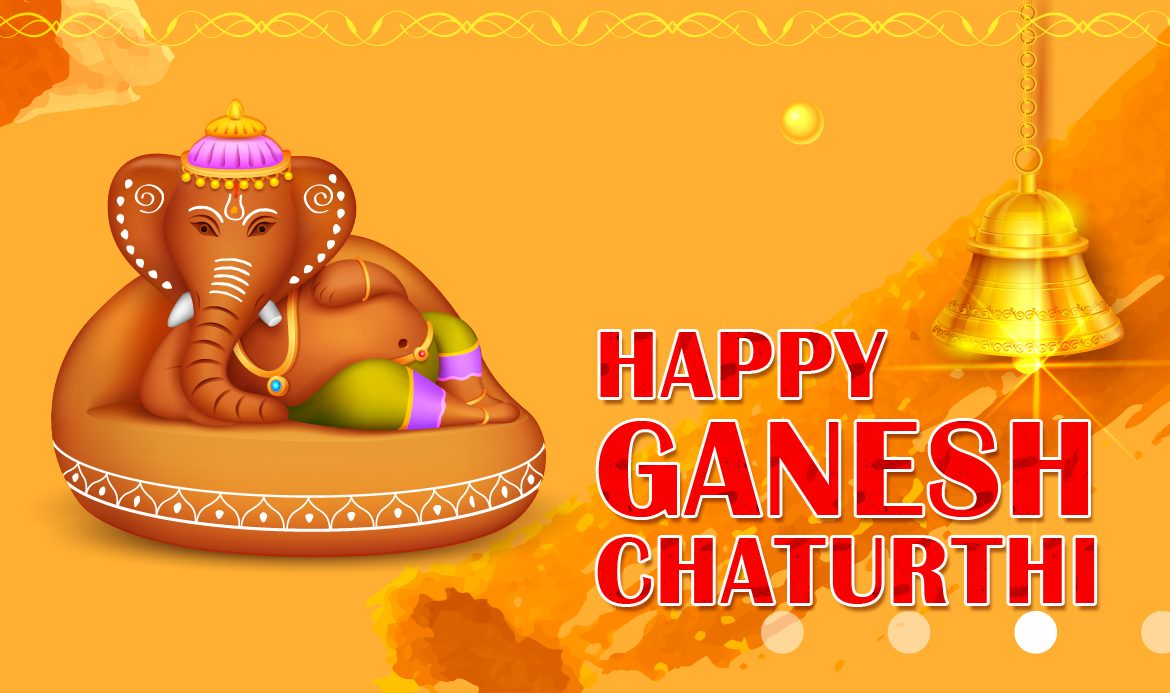
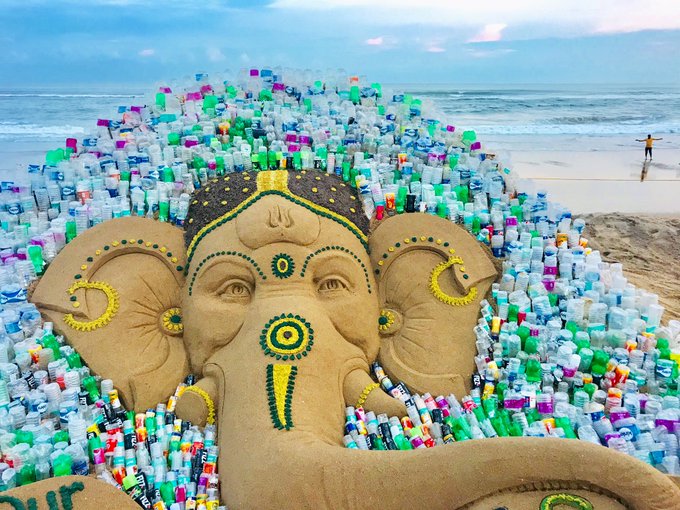
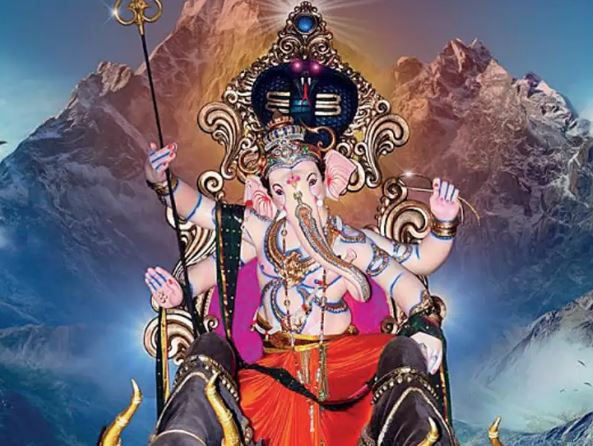
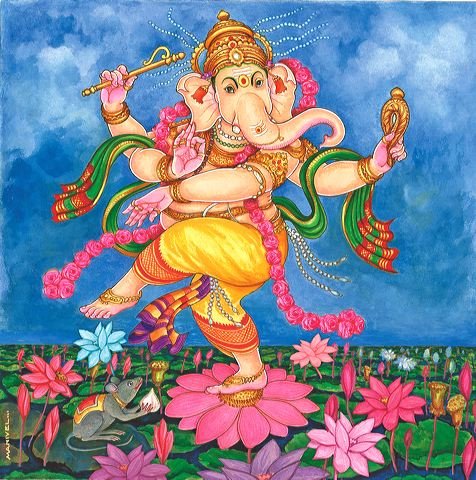
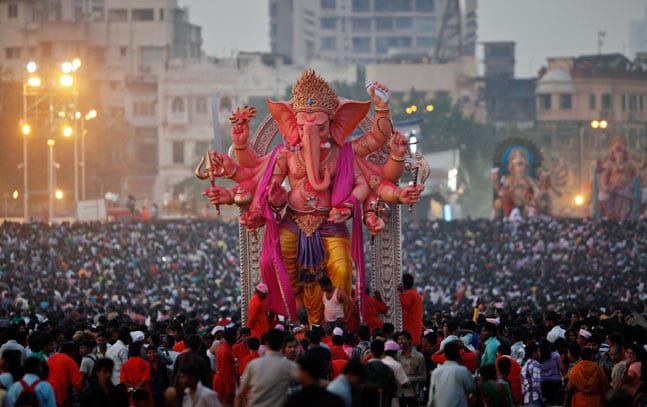
Ganesh Chaturthi is around the corner and it is the best time to visit Mumbai. Celebrated throughout the country, in a grand manner, Ganesh Chaturthi is very famous among Hindus. In 2019, the festival will begin on 2nd September and ends on 12th September. This festival is celebrated during the month of Bhadrapada, which spans from mid of August to mid of September. This festival spans for eleven days.

Image result for ganesha birthday

History of Ganesh Chaturthi 
The history explains that the festival was initially celebrated around 14th or 15th century. However, the event become more popular during 18th century. In 19th century, the festival become a domestic festival, covering even non-brahmins too.

According to Mythology, Lord Parvathi created Ganesh out of dirt and made him guard her place. Shiva, who returned after many days, saw Ganesh guarding the palace and had no idea about who the child was. Shiva demanded that he should be let into the palace and Ganesh refused. After a strong battle between the two, Shiva beheaded Ganesh. When Parvathi returned and saw the headless boy, she was furious.

Shiva promised to make Ganesh live and asked his devas to search for any soul, which had its head facing the north. The search party came with an elephant head, which was placed on the headless boy. Thus, Ganesh was born. This is celebrated as Ganesh Chaturthi.

Image result for ganesha birthday

To celebrate Ganesh Chaturthi, Travelogy India provides exclusive tour package,Full Day – Ganesh Chaturthi Tour, covering pandals of Mumbai and exotic cultural events.

Some communities celebrate this festival to mark the birth of Mahabharata. It is said that Lord Ganesh wrote Mahabharata as Sage Vyasa recited it to him. Ganesh demanded the sage to recite it without any delay or pause. In the process, the writing instrument of Ganesh broke. Since he had no time to get a new one, he broke a part of his ivory and continued writing. It is said that the writing process went for 10 whole days. The duo strives to create the epic after ten days of struggles with no food, water or bath.

After the epic was completely written, on the eleventh day, clay was applied over Ganesh body and he was asked to take bath in a river. These ten days are celebrated during the Ganesh Chaturthi festival and on the eleventh day, the idol is immersed into any water body.

Image

How Ganesh Chaturthi Celebrated? 
The festival starts with locals trying to make an idol out of clay or buy one from the market. After proper rituals, the deity is placed either in home or in a small pandal (usually done in communities and colonies). Every day, special rituals, celebrations, music performances and other cultural activities are performed. Delicacies are served to everyone who visit the pandals.
On the eleventh day, a large procession takes place, in which, people take the idol towards sea or river (whichever is close by) and immerse the idol into the water. They watch the idol dissolving in the water. Later, they take bath in the water and return back home.

Header media

Rituals of Ganesh Chaturthi Festival 

The festival includes four main rituals. 


1. Pranapratishhtha :- Process of creating an idol. Those who buy idols, perform this ritual while placing the idol in the pandal or in their home, ready for prayers. People pray, sing devotional songs and certain communities perform musical concerts for this ritual.

Image

2. Shhodashopachara :- Paying tribute to the idol. 16 types of prayers are performed during this ritual. This includes providing delicacies, decorating with flowers and others

Image

3. Uttarpuja :- This ritual takes place right before the deity is taken from the position and placed ready for a procession towards any water body.

Image

4. Ganpati Visarjan :- Immersing the idol into sea or river. This ritual indicates that God is everywhere and formless. It is also a reminder of the concept that nothing is permanent.

Image

  Visit - https://www.rajasthantourplanner.com


Rajasthan Tour Planner

Rajasthan Tourism

Rajasthan Tour Packages 

Rajasthan Fair & Festival

Saturday, August 31, 2019

Rajasthan Tours – A Perfect Getaway for Tourists


The lively land of Mughal, Rajasthan is one of the beautiful destinations of North India. Presenting majestic ambience to the travelers, the state is best known for its historical structures and sightseeing spots. This cultural, historic state has different things to offer every few miles. One gets to catch appealing monuments, mesmerizing forts, enchanting palaces, tranquil lakes, amazing wildlife destinations, deserts, sand dunes, museums, villages, heritage hotels and a lot more in Rajasthan. These attractions are outstanding and offer best architecture to the viewers. Further, the hospitality one receives in this wonderland is very traditional and simply great.

Rajasthan desert tourism
Almost all the major attractions of Rajasthan lie in the beautiful pink city of the state, Jaipur. This mesmerizing capital city of Rajasthan is a famous travel destination of the world. Featuring attractions like Hawa Mahal, Amber Fort, Jal Mahal, City Palace, Jantar Mantar, Birla temple and Albert Hall museum, Jaipur is the heart and soul of Rajasthan. If you are a history lover then you can start your tour with Hawa Mahal, the gorgeous palace built in 1799 by Maharaja Sawai Pratap Singh. The attraction was built to allow royal ladies to observe the outer view, without being noticed. An interesting thing about the attraction is that the architecture and décor of Hawa Mahal resembles the crown of Hindu Lord, Krishna. One should definitely visit this fascinating destination.

taj-lake-palace-udaipur1
Next destination to cover in Rajasthan is Udaipur, ‘the appealing city of lakes’. Also considered as the most romantic city of India, Udaipur features some of the majestic and astounding attractions of the world. Here, one can enjoy attractions like Lake Pichola, Jag Mandir, Monsoon Palace, Jagdish Temple, Lake Palace, etc. Amongst these, Lake Pichola is the most highlighted destination of Udaipur. This gripping lake shelters two compelling islands, Jag Niwas and the Jag Mandir. Established by Maharana Udai Singh II, the lake is perfect for boating and sightseeing. In the heart of Pichola Lake their lies Lake Palace a beautiful heritage hotel of Udaipur. Well! One must visit these enthralling attractions of Udaipur.

puskar-camel-fair
If you want to witness the biggest camel fair of Rajasthan then visit Pushkar as your next travel destination. This intriguing destination holds the annual Pushkar Camel Fair, which includes several competitions like camel race, matka phod, longest moustache, bridal competition, etc. Thousands of travelers from all over the world visit Pushkar to enjoy this interesting event. Additionally, the major highlight of this festival is the buying and selling of livestock and a cricket match, which has recently started between the Pushkar club and a team of random foreign travelers.
camel-pushkar-fair-rajasthan


Besides these, you can also explore other cities of Rajasthan like Jaisalmer, Bikaner, Jodhpur, etc. Well! Exploring regal attractions via Rajasthan Tours will never fail to lure you. So, plan your Rajasthan tours and enjoy the destination to the fullest.

Rajasthan Tour Planner
Rajasthan Tourism
Rajasthan Attractions
Places To Visit in Rajasthan

Friday, August 30, 2019

Places To Visit In Khajuraho, Khajuraho Tour Planner - Rajasthan Tour Planner


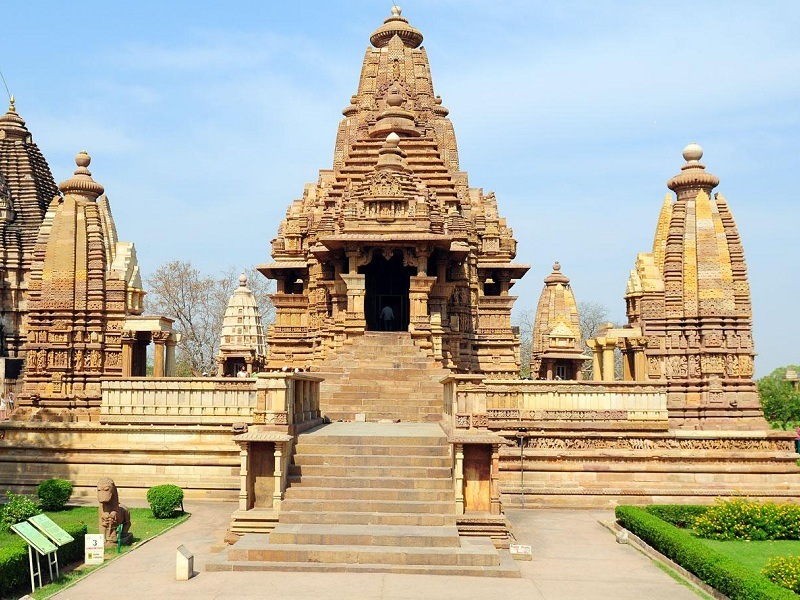
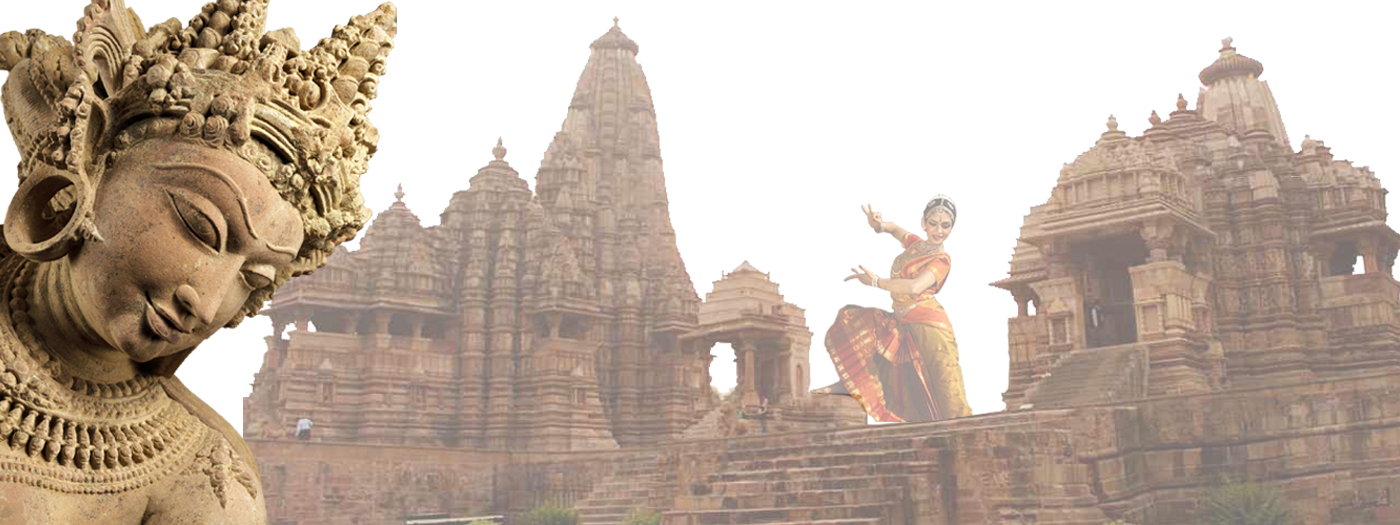
The Khajuraho Group of Monuments is a group of Hindu, Buddhist and Jain temples in Madhya Pradesh, India, about 175 kilometres (109 mi) southeast of Jhansi. They are one of the UNESCO World Heritage Sites in India. The temples are famous for their nagara-style architectural symbolism and their erotic sculptures.

Image result for khajuraho places

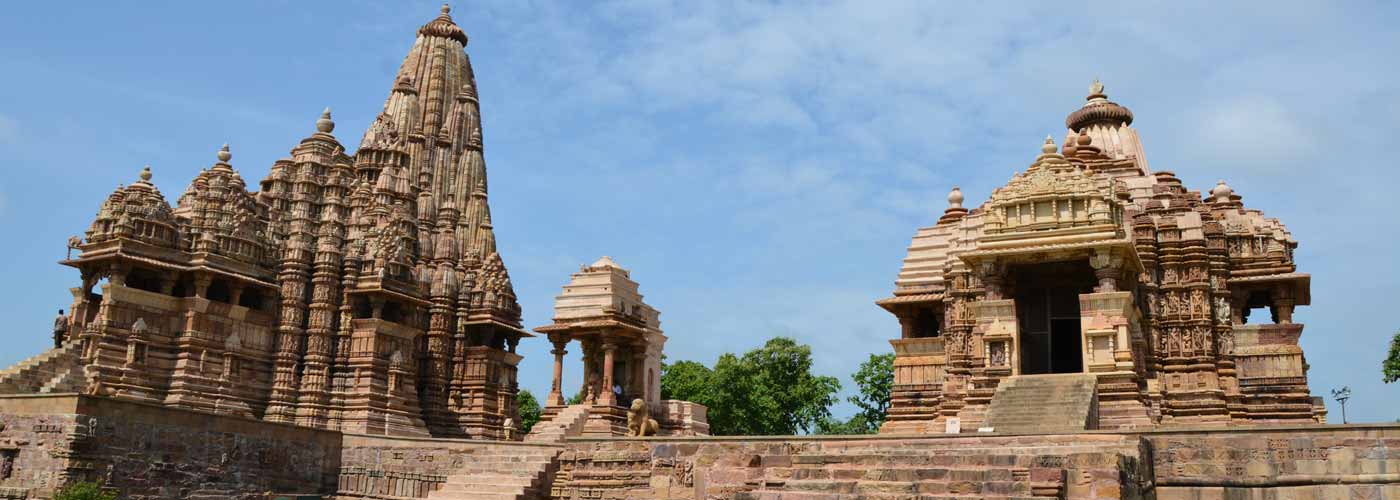
Most Khajuraho temples were built between 950 and 1050 by the Chandela Rajput dynasty. Historical records note that the Khajuraho temple site had 85 temples by the 12th century, spread over 20 square kilometers Of these, only about 25 temples have survived, spread over 6 square kilometers. Of the various surviving temples, the Kandariya Mahadeva Temple is decorated with a profusion of sculptures with intricate details, symbolism and expressiveness of ancient Indian art.
The Khajuraho group of temples were built together but were dedicated to two religions, Hinduism and Jainism, suggesting a tradition of acceptance and respect for diverse religious views among Hindus and Jains in the region.

Image result for khajuraho places 

The Hindu and Jain temple complex at Khajuraho in central India has become a major tourist site for Indians and International tourist. Built nearly a thousand years ago, but abandoned two centuries later, Khajuraho remained a minor pilgrimage site into the present century. The Khajuraho temples include thousands of sexual relief carvings, much publicized throughout India. Khajuraho temples were built during the Chandela period, a dynasty which survived for five centuries before falling to the onslaught of Islam. The history tells us that in the ancient India, the kings did not sponsor directly the making of rock-cut caves, stupas or temples. None of the stupas have sculptures of the Kings and rulers of those times. But with the arrival of the medieval period, rulers began to patronize personally the making of temples.

Image result for khajuraho places 

The personal attention of the ruler led to the making of the larger temples, especially from the 10th or 11th century onwards, under the Cholas in south India. Similarly changes were seen under the rule of the Chandela in the central India. Chandela dynasty was well established and there was peace and prosperity in 10th and 11th century. Art and culture flourished there as the kings were great patrons of poetry and theatre. The symbol of their cultural achievements was at their capital city of Khajuraho, where between the 10th and 12th centuries, one of the most splendid temple cities in the history of the world was created. There were originally 85 temples were created out of which only 22 are remain today. The first king who started construction in Khajuraho was Harsh who built the 64 Yogini Temples. The most notable prince of this dynasty was King Dhanga whose time is known for building the most beautiful Khajuraho Temples of Parsvanath and Vishwavanath. His grandson Vidyadhara built the Kandariya Mahadev Temple. This was the golden era of central India. Most of the Khajuraho Temples at Khajuraho were constructed between 950 AD and 1050 AD and are either Hindu or Jain.

Image result for khajuraho places

The Kandariya Mahadeva temple built in the early 11th century and dedicated to Shiva. The Lakhmana temple was built in 954 AD by King Dhanga to celebrate independence from the Gurjara Pratihara rulers. The Lakhmana Temple was dedicated to Vishnu. By the time of Chandela, the Indian temples form had fully developed. The objective of the temple was that a devotee comes to it with the aspiration of the self transcendence and to receive the grace of the deity in the garbha griha. The devotees came to the temple to awaken within themselves and to realize the whole creation of the world is the manifestation of the deity in the garbha griha. Some believe that the erotic art suggest the sexual practices. Its noted that only ten percent of the carvings contain errotic themes and rest of the sculptures depict the everyday life of the common persons such as women putting on makeup, playing games, dancing, knotting and unknotting their girdles, and other themes such as musicians, potters, farmers etc. On the temple walls, one can see Siva, Vishnu, Brahma, Indira, Agni and their spouses.


The Kandariya Mahadeva Temple, meaning "the Great God of the Cave", is the largest and most ornate Hindu temple in the medieval temple group found at Khajuraho in Madhya Pradesh, India. It is considered one of the best examples of temples preserved from the medieval period in India.

Image result for kendriya mahadev temple

Chausath Yogini temple –
The Chausath Yogini temple is a ruined Devi temple in the Khajuraho town of Madhya Pradesh, India. Dated to the late 9th century, it is the oldest surviving temple at Khajuraho. Unlike the Chausath Yogini temples at other places, it has a rectangular plan.

Image result for chausath yogini temple khajuraho

Lakshmi temple is dedicated to Goddess Lakshmi, consort of Lord Vishnu. This structure is one of the monument among Khajuraho Group of Monuments, a World Heritage Site in India

Image result for laxmi  temple khajuraho

The Vishvanatha Temple is a Hindu temple in Madhya Pradesh, India. It is located among the western group of Khajuraho Monuments, a UNESCO World Heritage site. The temple is dedicated to Shiva, who is also known as "Vishvanatha", meaning "Lord of the Universe".

Image result for vishwanath temple khajuraho


Thursday, August 29, 2019

Things To Do in Jaisalmer - Most Visit Tourist places Suggest By Rajasthan Tour Planner


Golden  Fort Jaisalmer :-
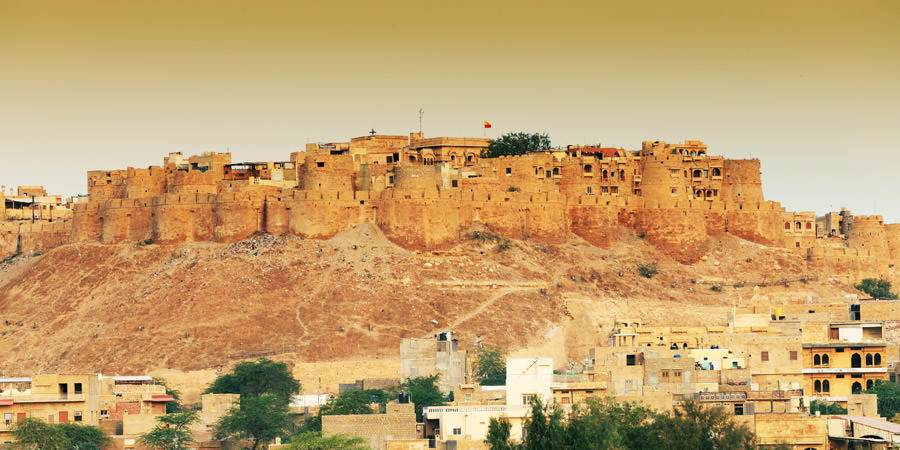
At a distance of 1.5 km from Jaisalmer Railway Station, Jaisalmer Fort locally known as Sonar Quila (Golden Fort) is located in the heart of Jaisalmer city. It is one of the largest forts in the world and also one of the top places to visit in Jaisalmer. Jaisalmer Fort. is a World Heritage Site declared by UNESCO under the group Hill Forts of Rajasthan.

Jaisalmer Fort was built atop the Trikuta Hill in 1156 AD by the Bhati Rajput ruler Maharawal Jaisal Singh, from where it originates its name. It was the center of a number of historical encounters between the Bhattis, Mughals, and Rathores of Jodhpur. The Fort of Jaisalmer survived several attacks by the Muslim rulers like Aladdin Khilji and Mughal Emperor Humayun. The city also served as a refuge and way-station for caravans and travelers along the Silk Road.

Image result for sonar kila jaisalmer

Standing proudly in the middle of the great Thar Desert, this fort is regarded as 'The Pride of Jaisalmer'. Its massive yellow sandstone walls are a tawny lion color during the day, fading to honey-gold as the sun sets, thereby hiding the fort in the yellow desert. For this reason, it is also known as the Sonar Quila or Golden Fort.

The Jaisalmer Fort architecture is awe inspiring and marvelous. The seamless blend of Rajput and Islamic styles, the golden tinge due to the yellow sandstone, and the enthralling carvings & sculptures make it rank among the glorious forts in Rajasthan. It is 1,500 ft long and 750 ft wide and is built on a 250 ft high hill. The basement of the fort has a 15 ft tall wall forming a double line of defense. The fort is protected by a 30 ft tall wall surrounding it on all sides. This fort comprises of 99 bastions providing crucial protection to the fort during attacks.

Inside the fort complex, tourists can find several architectural buildings which include palaces, houses and temples. Jaisalmer fort has narrow winding pathways which interlock several parts of the fort. The complex of Jaisalmer fort is so expansive that almost one-quarter of the town's population located inside the fort itself. There are numerous wells inside the fort that are a regular source of water for residents.

Image result for jaisalmer

The fort has four entrances namely Ganesh Pol, Rang Pol, Bhoota Pol and Hawa Pol. The main attraction of the fort is Maharawal Palace popular for its marble throne. The Palace also has a wonderful museum which showcasing arms, dresses, utensils, & ornaments of the Rajput kingdom. An added attraction of this place is a five-storied Tazia tower located parallel to the Maharawal Palace. This tower was constructed by Muslim craftsmen and is made with decorative Bengali styled roofs. Jain Temple and Lakshmi Temple are also quite famous among the visitors.

Palace Timings: 9 AM to 6 PM
Palace Entry Fee: Rs. 50 for Indians, Rs. 250 for Foreigners, Rs. 50 for Camera
 

Patwon ki Haveli  Jaisalmer :-  At a distance of 500 m from Jaisalmer Fort and 1.5 km from Jaisalmer Railway Station, Patwon-ki-Haveli is situated in a narrow lane near the Patwa Complex in Jaisalmer. It is the first haveli to have been erected in Jaisalmer and also one of the top places to visit in Jasalmer.

The Patwon ki Haveli is considered to be the one of the largest as well as the finest haveli of Rajasthan. This haveli is essentially a cluster of five havelis, which was constructed in 1805 CE by Guman Chand Patwa. A rich trader, Guman Chand Patwa constructed five separate sections for his five sons. The first haveli is the main and also the grandest haveli in the complex. The entire construction took over 55 years to complete.

Image result for patwon ki haveli

Located in the center of the city, it is truly an outstanding piece of architecture. It is renowned for its ornate wall paintings, intricate yellow sandstone-carved jharokas or balconies, gateways and doorways. The haveli is built using yellow sandstone and the main gateway is brown in colour. The haveli is five stories high divided into six apartments. The walls also feature beautiful mirror work and several paintings. There is a stunning apartment which is flawlessly painted with beautiful murals. There are about 60 balconies in the haveli.

Amongst the five Havelis which form the entire complex, one has been converted into a museum which displays a vast collection of antique furniture and decorative goods. Besides this, the third Haveli or mansion in the premises also houses rich items that include traditional art and craft work of the local craftsmen. Two havelis are under the authorization of the Archaeological Survey of India and one serves as private accommodation.

Currently, this haveli is maintained by the state government, which uses it for different official purposes. The office of State art and craft department and the Archeological Survey of India (ASI) is placed in the haveli.

Timings: 8 AM to 6 PM
Entry Fee: Rs. 20 for Indians, Rs. 100 for Foreigners and Rs. 50 for Camera


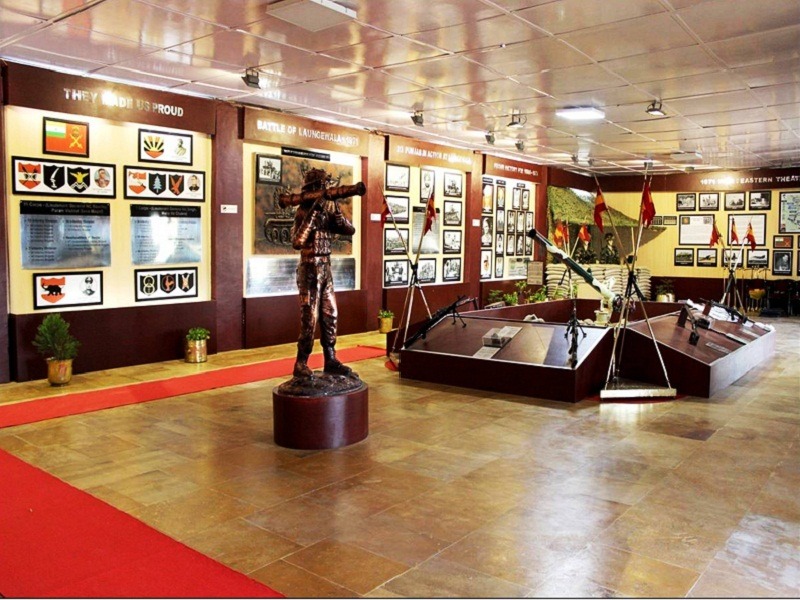
Jaisalmer War Museum :- At a distance of 11 km from Jaisalmer Railway Station and 12 km from Jaisalmer Fort, Jaisalmer War Museum is situated at Military Station on the Jaisalmer - Jodhpur Highway. This unique war museum is surely a must     visit place for all Indian and foreigner tourists coming to Jaisalmer.

Jaisalmer War Museum was set up by the Indian Army in 2015 and was inaugurated on 24th August by Lieutenant General Ashok Singh, General Officer Commanding in Chief, Southern Command. The inauguration of the Museum in the Golden Jubilee Commemoration Year of 1965 Indo Pak War is also a tribute to all soldiers who made the supreme sacrifice.

Image result for war museum jaisalmer

The museum covers an area of over 10 acres of land. It has two large Information Display Halls, an Audio Visual Room and a souvenir shop. Apart from the evolution of the Indian Army, the museum showcases tales of bravery and sacrifice of heroes of the wars. War trophies and vintage equipment are on display along with tanks, guns and military vehicles. The museum has murals of soldiers who lost their lives in the war and weapons used at that time. The Indian Air Force has also contributed in the museum by presenting a hunter aircraft, which was used during the Battle for Longewala during the 1971 Indo Pak War.

The Museum is organized by the Indian Army. The entry to the Jaisalmer War Museum is open to and free for all visitors.
Timings: 10 AM to 6 PM


Tanot Mata Temple Jaisalmer :-  The Tanot Mata Temple situated in the Tanot village of district Jaisalmer, is a major attraction for those visiting the Thar Desert in Rajasthan. It is enveloped within numerous legends that are sure to instil awe and curiosity towards its sacred power and purity. The heritage site is preserved and maintained by the Border Security Force (BSF) of India since the Indo-Pakistan war in 1971.

Localities have immense faith on the temple’s austerity and pay regular visit to the Tanot Mata. She is believed to be an apparition of the Hinglaj Mata Goddess. Tanot is in close proximity with Longewala, a critical India-Pakistan border that forbids access to any individual without permission of Indian Government authorities. Due to its topography, it can harness large quantities of wind energy, thus visitors can see the rows of windmill energy power plants established here. There is a museum built adjacent to the temple that displays certain historic artefacts collected from the war period. This is a must visit place for those who wish to pay their homage to the Indian Army and the temple that is considered holy by the Indian heroes of defence and harmony.

Image result for tanot mata jaisalmer

History :- It is said that during the Indo-Pakistani War of 1965, Pakistani Army dropped over 3000 bombs targeting the temple but not even one exploded! The Pakistani Tank regiment was stupefied and kept shelling but not one bomb exploded. After the war the Pakistani General actually asked his counterpart in India about this incident and on knowing the story of the power of the temple that apparently protected the area he asked to see this place. This request was granted and the Pakistani General actually went to the temple and paid his respects and acknowledged the supernatural happening. After the war the temple management was handed over to Border Security Force of India on their request and to date the temple is maintained and manned by the BSF soldiers.
After paying your respects to the Goddess, you can take a round of the museum established in the same vicinity. It holds a public exhibition of the arms and ammunitions used during the Indo-Pakistan wars of 1965 and 1971. They hold great significance, as the bombs used to attack the natives of Tanot village never diffused. The place is one of the best place to explore in the Thar Desert in Rajasthan. This temple was shown in the film Border. The best time to visit is November – January, when the temperature is not likely to be extremely high. Taxis can be hired from Jaisalmer After completing this pilgrimage trip, you can plan a camel safari in the Thar Desert or plan a sightseeing trip of the majestic forts of Jaisalmer.

Longewala  Border :-  Longewala is a border town in Thar desert near Jaisalmer, Rajasthan. The army of Lt. Kuldip Singh was commanding this small post because on the other side Pakistani forces were awaiting an opportunity to attack and takeover Jaisalmer. At the night of 4th December 1971, the Indian army observed noises across the border that suggested a heavy platoon approach. As it was dark, the moon was the only source of light that lit the scene.

Image result for longewala jaisalmer

The Battle - When sources confirmed that Pakistan indeed was approaching, Lt. Kuldeep Singh contacted the headquarters and asked for reinforcements. He was informed that it would take six hours for backup to be available and was advised to retreat to a nearby town, Ramgarh. But Kuldeep Singh and his men held ground fearlessly and decided to fight.  After midnight Pakistan surfaced near Longewala and opened fire with artillery guns. As the 45 heavily equipped tanks of Pakistan approached the border, Indian defences laid a hasty anti-tank minefield. Indians were at the advantage of holding the higher ground; Pakistani tanks struggled to move upward and blasted themselves in doing so. This gave an opportunity to Indian soldiers to spot and attack the enemy, a fire lit the otherwise dark battlefield. Indian defence used a smoke screen to confuse the Pakistani soldiers and stalled the battle till reinforcements arrived.

Image result for  The Battle jaisalmer

Who won the battle?
India, though outnumbered, applied clever strategies to maneuver its way through the fight. After a long battle, Indian Air force was able to send backup in the morning. Now, the opposition’s battalion was an easy target as they were on the ground and didn’t have an Airforce to help them out. After getting 22 tanks blasted with rockets, Pakistani army was forced to withdraw.

Aftermath of the battle - 120 soldiers against 2000, sounds daunting. But what’s surprising is that India only lost 2 soldiers and 1 tank while Pakistan lost 200 soldiers and 36 tanks, in the battle. Kuldeep Singh was applauded for his strategic win and was conferred with the Mahavir Chakra for showing great courage.

Longewala hosted a fray that speaks of sheer fearlessness and heroism of Indian soldiers. It’s a perfect example of how a fight can be smoothly won if you club your fires with a little strategy. The valor displayed by Kuldeep Singh and his men is now dictated to the army, to build their mettle and to inspirit them with enthusiasm. This battle was one of a kind and deservingly fixed a spot in Indian history.

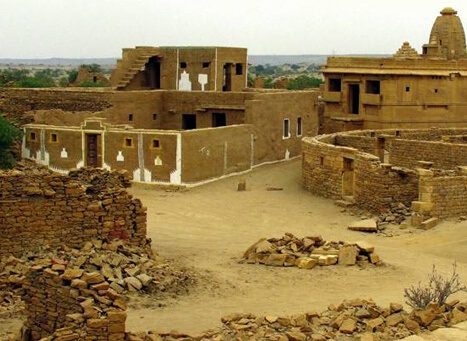
Kuldhara village – Haunted Village Sam Road jaisalmer - Kuldhara Village, located within 20 kilometres from the Golden City  Jaisalmer is not always a known name among the tourists, but a little research will show how this is one of the most interesting and intriguing attraction sites that you should absolutely include in your itinerary. The village, rich with its fair share of legends and myths, is said to be a spooky and haunted village. The abandoned and eerily beautiful appearance of it, standing solitary amidst the vast stretches of desert, lives up to its reputation. There have been stories of ghostly and paranormal activities in and around the village, but like always no one could provide any solid proof of it. Nevertheless, Kuldhara village is an exciting place to visit just for its architectural beauty and the vibe of history.
Image result for kuldhara  jaisalmer

Once you visit the place, the sheer blankness of the village so massive, yet so eerily silent and abandoned with just the houses standing like skeletal corpses of the past engulfs you entirely. Adds to that the legend how the residents of the entire area left the place overnight altogether to save their honors and lives from the hands of the tyrannical minister who ruled over the place, and you have got the perfect setting for a bestselling horror story.

There is nothing to do as such, but the experience itself makes up for all of it. The government with the help of some private construction companies are setting up cafes, restaurants and even lodges for the night stay to turn the place into a full-fledged tourist place. The constructions are undergoing as of December 2017 and once finished, Rajasthan hopes to attract more people to visit and experience the great beauty amidst the barrenness.

Bada Bagh jaisalmer :- At a distance of 8 km from Jaisalmer Railway Station and 7 km from Jaisalmer Fort, Bada Bagh or Bara Bagh is a historical garden located on Ramgarh road and halfway between Jaisalmer and Lodurva in Rajasthan.

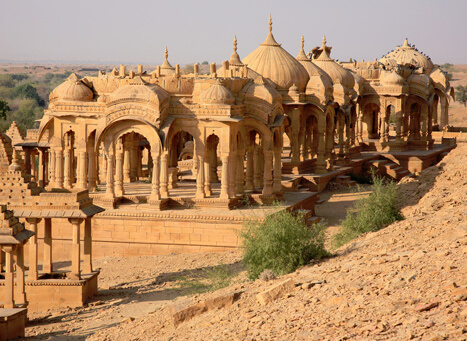
Bada Bagh means big garden. It is a garden of cenotaphs or chhatris of the royal family of Jaisalmer. A descendant of Maharawal Jaisal Singh, Jait Singh II, commissioned a dam to create a water tank in the 16th century AD. This made the desert green in this area. After his death, Bada Bagh was fully developed by his son Lunakaran.

The garden stands at the foot of a hill and several chhatris or cenotaphs stand in memory of the late rulers of Jaisalmer. Cenotaphs are also known as chhatris and one cenotaph is erected for each ruler. The cenotaph of Maharawal Jait Singh is the oldest of all. Many cenotaphs were built by subsequent rulers for the Bhatti royal family of Jaisalmer. This continued till the 20th century when the last one for Maharawal Jawahar Singh was left incomplete as his son who ascended the throne after him, died within one year of his ascension. This was considered to be bad luck and from then on, the tradition of cenotaphs at Bada Bagh was discontinued.

Image result for bada bagh jaisalmer

The architecture of these chhatris is a blend of Paliwal, Mughal, and Rajput styles of architecture. Each cenotaph contains inscribed tablets with names of the King and Queen. Some of the cenotaphs have a statue of the King on a horse along with his queen standing nearby. The size of the chhatri varies according to the status of the person.

This garden also includes a tank and a dam, along with a Govardhan Stambh (pillar). The pillar was constructed for commemorating the construction of the nearby tank and dam. Locals refer to the dam as Jait Bandh, while the tank is known as Jait Sar. The Jait Bandh is a huge structure measuring over 1,200 feet in length and 350 feet in width. Both the tank and dam has been constructed using solid blocks of stone.

Timings: 8 AM to 6 PM
Entry Fee: Rs. 20 for Indians and Rs. 50 for Foreigners


Gadisar lake Jaisalmer :-  At a distance of 1.5 km from Jaisalmer Railway Station and 1.5 km from Jaisalmer Fort, Gadisar Lake or Gadsisar Lake is an artificial reservoir in Jaisalmer. It was the only source of water for the Jaisalmer city in the olden days and also one of the best Jaisalmer sightseeing places.

The Gadisar Lake was constructed by Raja Rawal Jaisal, the first ruler of Jaisalmer and later reconstructed by Maharawal Gadsi Singh in the year 1367 AD. It is said this rain water lake once provided water to the entire town. At present Gadisar Lake gets water from Indira Gandhi Canal so it never dries.

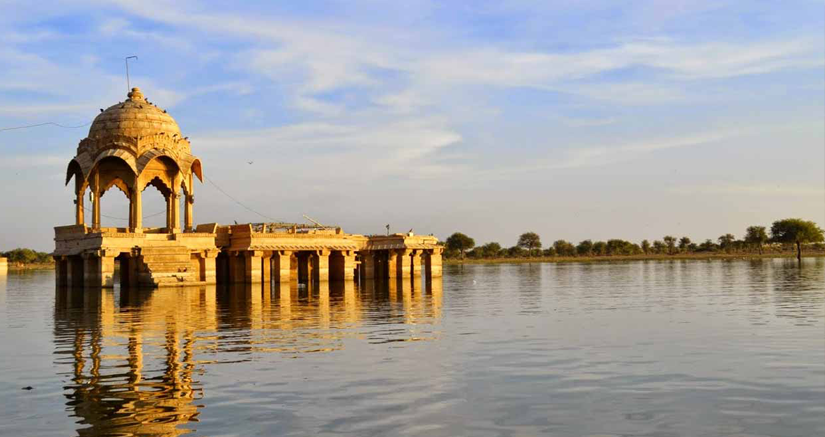
Located towards the south of Jaisalmer city, the entrance to the Gadisar Lake is through a magnificent and artistically carved yellow sandstone archway that is known as the Tilon-Ki-Pol. There are numerous shrines and small temples on the embankment of this lake. The most popular among these temples is the Krishna Temple which houses a statue of Lord Vishnu. There is a big domed pavilion in the center of the lake. The main attractions of the lake are the different species of birds, which migrate from distinct places.

Image result for gadsisar jaisalmer

The Gadisar Lake can be visited any time of the day, though it is best to go early in the morning and watch the sun rise. Boating facility is also available in this lake where charges vary from type of boat and based on duration of boating. Shikaras are also available to go around the lake. The serene Gadisar Lake springs to life during the annual Gangaur celebrations. This is the most popular point to take photographs of Jaisalmer Fort early in the morning when the fort looks golden with the first rays of the Sun and also a bird viewing site and a major attraction of Jaisalmer city.

Timings: 6 AM to 6 PM

Sam Sand Dunes Jaisalmer :-  At a distance of 40 km from Jaisalmer, Sam Sand Dunes are situated at the edge of Jaisalmer Desert National Park in Rajasthan. Lies in the midst of the Thar Desert, these sand dunes are amongst the most popular places to experience Rajasthan Tourism and also one of the prime places of Jaisalmer Tourism.

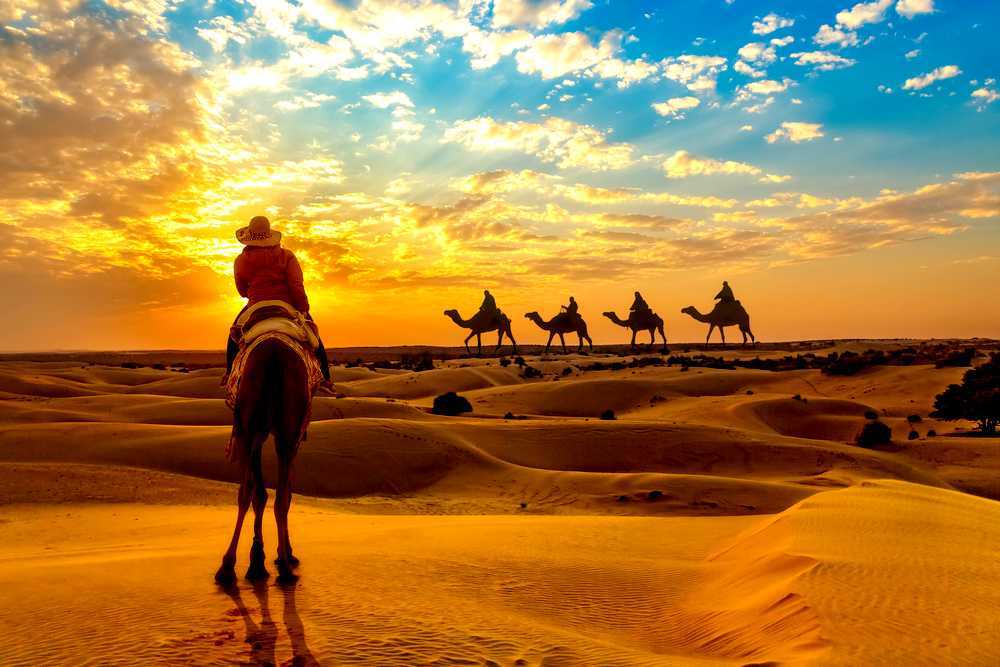
Sam has a truly magnificent stretch of sweeping dunes, with sparse or no vegetation. The 3 km long, and 1 km wide sand dunes reflect the true image of Rajasthan. Undeniably one of the most picturesque spots in the desert, the Sam Sand Dunes have gained tremendous tourist reputation over the time. The unrelieved ocean of sand constantly changes its appearance at every gentle gush of wind. The whirling air currents of this area match with those of the sandstorms in the Sahara. This time many Desert camp In sam sand dunes But Garh Rajputana camps is luxury Desert camp in Jaisalmer , Camp offer Camel Safari, there are many other Adventure activities like jeep safari, Paragliding, Quad Bike safari and desert camping at Sam Sand Dunes. Night stay with  Swiss tents and mud cottages next to dunes. Adding to the magical charm of the atmosphere are the wonderful folk dance and music performance by the local artists.  . . Tourists can be assured of enjoying the magic of dunes completely in the company of these guides. The dunes are best visited during the months between October and February when the heat is relatively less in the region. Evenings and night are the best times to visit the dunes because at this time the silver rays of moon spread its radiance in the entire region thereby making it glow like an ornament.

Related image

There is a Desert Festival organised in the month of February and is the best time to visit these dunes. This is a 3-day event showcasing the heritage and culture of Rajasthan. This extravaganza includes of a lot of events such as puppet shows, various competitions such as tug of war and Biggest Moustache, camel race, various folk performance and more. During this time, the desert comes alive with the sound and light show, dance and music.

Jaisalmer Attractions 
Jaisalmer Tour Planner 
Rajasthan Budget Tour Packages
Rajasthan Luxury Tour Packages


Tuesday, August 27, 2019

Enjoy Rajasthan Tour with Car and Driver


Rajasthan is the Biggest state of India, and it is one of the most popular tourist destinations in India. This state has great tourism potential and enthralls tourists and vacationers with its awe-inspiring tourism options in the forms of culture, tradition, temples, art & architecture, history, forts & palaces, monument, havelis, wildlife sanctuaries & parks, rippling sand dunes, Thar Desert etc.
Udaipur :-Udaipur is also known as the City of Lakes. The city was the capital of the Sisodiya Rajputs of Mewar and it was founded in 1553 by the Sisodiya Rajput Ruler Maharana Udai Singh II. The Mewar Rajputs founded the city to relocate their capital from Chittor to a more secure location. Udaipur city is known for its elegant palaces, forts, and lovely lakes. It is one of the most beautiful and romantic cities in India. Key attractions of tourist interest in the city are City Palace, Jagdish Temple, Lake Palace, Pichola Lake, Fateh Prakash Palace, Monsoon Palace, Fateh Sagar Lake, Udai Sagar Lake, Eklingji Temple, Nagda Temple, etc. While in a few texts, it has been termed as the Venice of the East. Today, most of the palaces have been converted into hotels, thus attracting a huge no. of tourist crowd to this city.
Image result for udaipur honeymoon couple
Jaipur :-Jaipur is the capital of this state.  Jaipur is also the largest city in the princely state of Rajasthan.It was founded in 1727, by the Kachwaha Rajput Ruler Sawai Jai Singh II, who was the ruler of Amber. Jaipur is also known by the nickname ‘Pink City of India’ which is due to the distinctive saffron or pink color of the buildings of city. The planning of the city was done according to the Vedic Vastu Shastra (Indian architecture). The well planned streets and detailed and artistic architecture make it one of the top preferred tourist locations. Worth visit attractions in Jaipur city are  Amber Fort, City Palace, Albert Hall Museum, Hawa Mahal, Jantar Mantar, Jaigarh Fort, Nahargarh Fort and Heritage Hotels And much more places to visit.
Image result for jaipur
Jaisalmer : –Jaisalmer is also known as the Golden City of India The aptly named “golden city”, which comes from its view during the day, the city of Jaisalmer lies in the heart of the Thar Desert. The city was founded by The Bhati Rajput ruler Maharawal Jaisal Singh in 1156 Ad. The city gets its name from the golden sands of the Thar Desert and the same golden colored sandstone used in the city’s architecture. The city is a famous tourist spot due to its magnificent architecture and the various arts and crafts which are unique to this region. The city thrives on tourism, and can be called a home away from home for a huge no. of tourists from all around the world. Key attractions of tourist interest in the city are Its Golden Fort, Jain Temples, Havelis and an exciting trip to rippling sand dunes of vast Thar Desert. The unique feature about the city of Jaisalmer is its architecture. It was built as a walled city which makes it one of the largest living forts in the world. The fort has numerous eateries that offer Italian, French and local cuisines. Visit during the months of November and December and you will enjoy this castle city to its fullest.
Image result for jaisalmer
Bikaner :-Bikaner is also known as the Camel City, Bikaner is a wonderful tourist place to visit in Rajasthan. It holds a prime position in boosting tourism in Rajasthan with major attractions like Junagarh Fort, Lalgarh Palace, Havelis, and sand dunes. The city of Bikaner was founded in 1488 by the Rathore Rajput Ruler Rao Bika. Rao Bika was the son of the Rathore Ruler Rao Jodha who founded Jodhpur. The place is known for its forts and food. The various arts and crafts of this place are also unique, especially the intricately carved windowpanes called jharokhas.  It is one town we would personally recommend for you to visit if you want to experience the authentic taste of rajasthani cuisines. The various fairs held in Bikaner also attract a huge no. of visitors from all around India and the world. Bikaner is a wonderful tourist place to visit in Rajasthan. It holds a prime position in boosting tourism in Rajasthan with major attractions like Junagarh Fort, Lalgarh Palace, Havelis, sand dunes And  the famous temples like Karni Mata and Laxmi Nath Temple etc.
Image result for bikaner
Jodhpur :-Jodhpur is also the second most populated city of Rajasthan after Jaipur. The city was founded in 1459 by the Rathore Rajput Ruler, Rao Jodha Singh of Marwar. The city was founded as Marwar’s new capital after the fall of the former capital of Mandore. Jodhpur is also called the Sun City as it enjoys a bright sunny weather all year round. Strategically, it is considered to be the most important city of western Rajasthan. Jodhpur is an important tourist destination as well. Jodhpur has been listed many a times in various tourism magazines and documentaries and has topped the lonely planet’s list of most extraordinary place to stay in 2014.  Jodhpur is also known as the Blue City of India, Jodhpur is the second largest city in the state. It is a wonderful tourist place to be visited on Rajasthan travels and tours with attractions like mammoth Mehrangarh Fort, Jaswant Thada Memorial, Umaid Bhawan Palace, Mandore Gardens and many heritage hotels.
Image result for jodhpur
Pushkar :-Pushkar is a holy city in Rajasthan. It is one of the most sacred cities in India with lots of attractions like Lord Brahma Temple, Gayatri Temple, Savitri Temple,  Pushkar Palace, Rose Gardens, Pushkar Ghats, etc. Lying in the Ajmer District of Rajasthan, the holy City of Pushkar is often described as the king of pilgrimage sites in India. The town is located at the shores of the Pushkar Lake, which was created by the tears of Lord Shiva. The town is famous for its temples and various Ghats which are frequented by hundreds of visitors during the annual bath.
Ranthambhore :–Ranthambore is one of the most popular destinations of Rajasthan tourism. It is globally famous for Ranthambore Tiger Reserve & National Park.  The key attractions of the park are tigers, Ranthambore Fort, Jogi Mahal and ancient banyan tree. The Ranthambore Fort and the Ranthambore National park Both places are the attraction of city. The Ranthambore national Park and its wild life century is the heaven for wild life photographers.
Image result for ranthambhore
visit our website for more information about rajasthan tourism. and contact us to book a customize tour package and visit rajasthan india with us. we have the best packages .