Friday, June 14, 2024

Junagarh Fort

 Junagarh Fort is a magnificent fortress located in the city of Bikaner in the Indian state of Rajasthan. It was built in the 16th century by Raja Rai Singh, a general in the army of the Mughal emperor Akbar. The fort is renowned for its impressive architecture, which combines Rajput and Mughal styles, and it stands as a symbol of the rich cultural heritage of Rajasthan.

One notable aspect of Junagarh Fort is its strong defensive structures, which include towering walls, bastions, and moats. Despite several attacks by various rulers over the centuries, the fort has never been conquered.

Inside the fort, visitors can explore a fascinating array of palaces, temples, pavilions, and courtyards, each adorned with intricate carvings, frescoes, and marble work. Some of the key attractions within the fort complex include the Anup Mahal, Chandra Mahal, Phool Mahal, and Ganga Mahal.

Junagarh Fort also houses a museum that showcases a remarkable collection of artifacts, including weapons, armor, paintings, and royal costumes, providing insight into the history and culture of the region.

Today, Junagarh Fort is one of the most popular tourist destinations in Rajasthan, attracting visitors from around the world who come to marvel at its architectural splendor and learn about its storied past.

Junagarh | Bikaner Kila | Bikaner Fort | Rajasthan Forts

Wednesday, June 12, 2024

bikaner camel festival


The Bikaner Camel Festival is a vibrant annual event held in Bikaner, Rajasthan, India. It usually takes place in January, celebrating the vital role camels play in the desert life of Rajasthan. The festival typically spans two days and includes various cultural performances, competitions, and activities centered around camels.

One of the main attractions of the festival is the camel parade, where beautifully decorated camels, adorned with traditional Rajasthani attire and jewelry, march through the streets of Bikaner. There are also camel races, where these majestic creatures display their speed and agility, much to the delight of the spectators.

Visitors can also witness camel dances, where these animals are trained to move rhythmically to the beats of traditional Rajasthani music. Additionally, there are competitions like the best-dressed camel, camel milking, and camel hair cutting, showcasing the diverse skills and talents of both camels and their handlers.

The festival is not just about camels; it also offers a glimpse into the rich culture and heritage of Rajasthan through folk music and dance performances, puppet shows, and delicious Rajasthani cuisine served at food stalls set up around the festival grounds.

Overall, the Bikaner Camel Festival is a unique and colorful celebration that provides a fascinating insight into the desert way of life and the deep bond between humans and camels in Rajasthan.

Bikaner Tour Packages

Bikaner Attractions

Tuesday, June 11, 2024

Goenka Double Haveli Mandawa


Goenka Double Haveli in Mandawa: A Timeless Gem of Rajasthan

Nestled in the heart of the Shekhawati region of Rajasthan, Mandawa is a town that epitomizes the rich cultural heritage and architectural grandeur of the area. Among the many splendid havelis (traditional mansions) that adorn this town, the Goenka Double Haveli stands out for its exquisite beauty and historical significance.

A Historical Overview

The Goenka Double Haveli, also known as the Goenka Twins Haveli, was constructed in the 19th century by the wealthy Goenka merchant family, who were prominent traders in the region. The haveli is a prime example of the opulent lifestyle and artistic patronage of the Marwari merchants of the time.

Architectural Splendor

One of the most striking features of the Goenka Double Haveli is its unique architectural design. Unlike typical single havelis, this structure consists of two distinct sections, each with its own set of courtyards and rooms, hence the name "Double Haveli." The facade of the haveli is adorned with intricate frescoes, a hallmark of Shekhawati architecture. These frescoes depict a wide array of themes, from mythological stories and local legends to scenes of everyday life and portraits of the British colonial rulers.

The haveli showcases the fusion of Rajput and Mughal architectural styles, with elaborately carved wooden doors, latticed windows (jharokhas), and ornate balconies (chhatris). The use of vibrant colors and detailed patterns in the frescoes highlights the artistic brilliance and the cultural richness of the era.

Interior Elegance

Inside the Goenka Double Haveli, visitors are treated to a visual feast of artistry and craftsmanship. The walls and ceilings of the rooms are adorned with frescoes that have retained their vibrancy and detail over the centuries. The themes of these frescoes range from religious motifs, such as depictions of Hindu gods and goddesses, to more secular subjects like the daily life of the local people and the influence of the British Raj.

The haveli’s rooms are furnished with period pieces, including antique furniture, traditional carpets, and ornate chandeliers, providing a glimpse into the luxurious lifestyle of the Marwari merchants. The central courtyards, once bustling with the activities of the household, now serve as tranquil spaces where visitors can pause and soak in the historical ambiance.

Cultural Significance

The Goenka Double Haveli is not just an architectural marvel; it is a cultural repository that reflects the socio-economic history of the Shekhawati region. The frescoes serve as visual narratives that tell stories of the past, offering insights into the lives, beliefs, and aspirations of the people who lived there. The haveli is a testament to the prosperity brought by the trading activities of the Marwari merchants, who played a crucial role in the economic development of Rajasthan and beyond.

Preservation and Tourism

In recent years, efforts have been made to preserve the Goenka Double Haveli and other historical structures in Mandawa. The haveli has been restored to maintain its original charm and integrity, allowing visitors to experience its beauty as it was intended. The town of Mandawa, with its rich collection of havelis, has become a popular tourist destination, attracting travelers from around the world who are eager to explore its architectural treasures.

Visiting the Goenka Double Haveli

For those planning a visit to the Goenka Double Haveli, it is advisable to allocate sufficient time to explore not only this haveli but also the other historical landmarks in Mandawa. The best time to visit is during the cooler months, from October to March, when the weather is pleasant.

Guided tours are available and highly recommended, as they provide valuable insights into the history, architecture, and cultural significance of the havelis. Many of these tours are conducted by local historians or descendants of the original merchant families, offering a personal touch to the storytelling.

Conclusion

The Goenka Double Haveli in Mandawa is a shining example of the rich cultural and architectural heritage of Rajasthan. Its intricate frescoes, elegant design, and historical significance make it a must-visit for anyone interested in exploring the grandeur of India’s past. As a part of the larger Shekhawati region, Mandawa and its havelis offer a unique window into the opulent world of the Marwari merchants and their enduring legacy. Visiting the Goenka Double Haveli is not just a journey into history; it is an immersive experience that captivates the senses and enriches the soul.

Rajasthan Tour Packages

Monuments Rajasthan 


Saturday, June 1, 2024

Golden Triangle Tour India – A Trip to Delhi Agra Jaipur


The Golden Triangle Tour in India is a quintessential journey through the country's most iconic cities: Delhi, Agra, and Jaipur. This well-trodden path offers an immersive experience into India's rich history, culture, and architectural splendor.


Delhi

Your adventure begins in Delhi, India's vibrant capital. Here, ancient monuments coexist with bustling markets and modern developments. Key attractions include:

  • Red Fort: A UNESCO World Heritage site showcasing Mughal architecture.
  • Qutub Minar: Another UNESCO site, this towering minaret is a symbol of Delhi's historical prominence.
  • India Gate: A war memorial that is both a popular tourist spot and a serene place for reflection.
  • Lotus Temple: Known for its flower-like shape, it is a Bahá'í House of Worship that offers a tranquil retreat from the city's hustle and bustle.

Agra

The next stop is Agra, primarily known for the ethereal Taj Mahal. This city is steeped in Mughal history, with highlights including:

  • Taj Mahal: Often described as the epitome of love and beauty, this white marble mausoleum is a must-see.
  • Agra Fort: A majestic red sandstone fort that served as the main residence of the Mughal emperors.
  • Itimad-ud-Daulah (Baby Taj): A beautiful tomb that is considered a draft of the Taj Mahal.

Jaipur

The final destination is Jaipur, the Pink City, known for its magnificent palaces and forts. Key attractions include:

  • Amber Fort: A stunning hilltop fort with intricate artistry and expansive courtyards.
  • City Palace: A splendid blend of Mughal and Rajasthani architecture, housing museums and royal residences.
  • Hawa Mahal (Palace of Winds): Famous for its unique façade with numerous small windows, allowing royal ladies to observe street festivals while unseen from the outside.
  • Jantar Mantar: An astronomical observatory featuring the world's largest stone sundial.

Golden Triangle Tours India

Friday, May 31, 2024

Amber Fort Jaipur


Amber Fort, located in Jaipur, Rajasthan, is a majestic architectural marvel that encapsulates the rich history and cultural heritage of the region. Built in the 16th century by Raja Man Singh I, the fort stands as a splendid example of Rajput and Mughal architectural styles, blending Hindu and Islamic influences seamlessly.

Perched atop a hill overlooking Maota Lake, Amber Fort offers breathtaking panoramic views of the surrounding landscape. Its imposing walls, intricate carvings, and grand palaces such as Sheesh Mahal (Palace of Mirrors) and Diwan-i-Khas (Hall of Private Audience) mesmerize visitors with their opulence and craftsmanship.

The fort's main entrance, Suraj Pol (Sun Gate), adorned with intricate frescoes and lattice work, leads to a series of courtyards, gardens, and pavilions that narrate tales of valor and grandeur from Rajasthan's royal past.

Every evening, the fort comes alive with the sound and light show, which narrates the history of Amber Fort in a captivating manner, making it a must-see experience for visitors.

A visit to Amber Fort offers not just a glimpse into Rajasthan's royal heritage but also an opportunity to immerse oneself in the architectural splendor and grandeur of a bygone era.


History of Amber Fort

Amber Fort, also known as Amer Fort, is a magnificent fort located in Amer, a town situated 11 kilometers from Jaipur, the capital city of Rajasthan, India. The fort is a UNESCO World Heritage Site and is renowned for its architectural beauty, historical significance, and stunning location atop a hill overlooking Maota Lake.

The history of Amber Fort dates back to the 16th century when it was built by Raja Man Singh I, a trusted general of Emperor Akbar. Construction of the fort began in 1592 and continued over the reigns of several rulers, including Man Singh I's successors.

The fort served as the main residence of the Rajput Maharajas of Jaipur until the capital was shifted to Jaipur in the early 18th century. Despite the shift in the capital, Amber Fort remained an important stronghold and continued to be used for various ceremonial and administrative purposes.

Architecturally, Amber Fort is a blend of Hindu and Mughal influences, reflecting the artistic and cultural amalgamation characteristic of the region during that time. The fort's design features a series of courtyards, palaces, temples, and gardens, all intricately decorated with exquisite artwork, carvings, and mirror work.

One of the highlights of Amber Fort is its Sheesh Mahal, or Palace of Mirrors, adorned with thousands of tiny mirrors embedded in the walls and ceilings, creating a mesmerizing effect when illuminated with candlelight. Other notable structures within the fort include the Diwan-i-Aam (Hall of Public Audience), Diwan-i-Khas (Hall of Private Audience), Sukh Niwas (Hall of Pleasure), and the beautiful Ganesh Pol (Ganesh Gate).

Over the centuries, Amber Fort has witnessed various historical events, including battles, alliances, and the rise and fall of different dynasties. Today, it stands as a symbol of Rajasthan's rich history and architectural grandeur, attracting millions of tourists from around the world who come to marvel at its beauty and learn about its fascinating past.


Architecture of Amer Fort

The architecture of Amer Fort (also spelled Amber Fort) is a splendid blend of Rajput and Mughal styles, reflecting the cultural fusion prevalent in Rajasthan during its construction in the 16th century. Here are some key architectural features of Amer Fort:

-  Strategic Location: Built atop a hill overlooking Maota Lake, Amer Fort was strategically positioned for defensive purposes, offering a commanding view of the surrounding landscape. Its location also adds to its aesthetic appeal, with the picturesque lake and rugged hills providing a stunning backdrop.

-  Fortifications: The fort is surrounded by massive ramparts and fortified walls, designed to withstand attacks. The walls are built of red sandstone and marble, creating a striking contrast against the natural landscape.

-  Ganesh Pol: One of the most famous entrances to the fort is the Ganesh Pol, or Ganesh Gate. This elaborately decorated gateway features intricate frescoes, lattice work, and paintings depicting scenes from Hindu mythology. It serves as the entrance to the private quarters of the Maharajas.

-  Diwan-i-Aam and Diwan-i-Khas: These halls served as the public and private audience halls, respectively. Diwan-i-Aam, or the Hall of Public Audience, is adorned with ornate pillars and arches, while Diwan-i-Khas, the Hall of Private Audience, features intricate marble work and a beautifully decorated ceiling.

-  Sheesh Mahal (Palace of Mirrors): Perhaps the most famous feature of Amer Fort, the Sheesh Mahal is a stunning palace adorned with thousands of tiny mirrors embedded in the walls and ceilings. When illuminated with candlelight, the mirrors create a dazzling effect, giving the impression of a starlit sky.

-  Sukh Niwas: This cool and airy hall, known as the Hall of Pleasure, was designed to provide relief from the scorching desert heat. It features a system of water channels and fountains that help to cool the air, making it a refreshing retreat during hot summer days.

-  Zenana: The women's quarters, or zenana, are another notable feature of Amer Fort. These secluded apartments were reserved for the royal women and feature delicate marble screens, balconies, and courtyards adorned with intricate carvings and floral motifs.

-  Jai Mandir and Shila Devi Temple: These temples within the fort complex are dedicated to Hindu deities. Jai Mandir is renowned for its exquisite mirror work and inlaid panels, while Shila Devi Temple houses an ancient idol of the goddess Kali.

Overall, the architecture of Amer Fort is a testament to the creativity, craftsmanship, and grandeur of Rajasthan's historical past, drawing visitors from around the world to marvel at its beauty and historical significance.


Sound & Light Show at Amber Fort

The Sound & Light Show at Amber Fort in Jaipur is a captivating experience that brings the history and grandeur of the fort to life through a spectacular display of lights, sound effects, and narration. Against the backdrop of the majestic fort and its surroundings, visitors are treated to a multimedia presentation that recounts the tales of valor, romance, and intrigue that have unfolded within its walls over the centuries. Illuminated with colorful lights, the fort's architecture takes on a mesmerizing quality as the stories of its past rulers and the events that shaped its destiny unfold. The show, held in the evening, provides a unique opportunity to immerse oneself in the rich heritage of Rajasthan and gain a deeper appreciation for the cultural significance of this iconic landmark.


Jaipur Attractions 

Jaipur Tour Packages 

Jaipur Car Rentals

Thursday, July 30, 2020

Marwar Festival Rajasthan

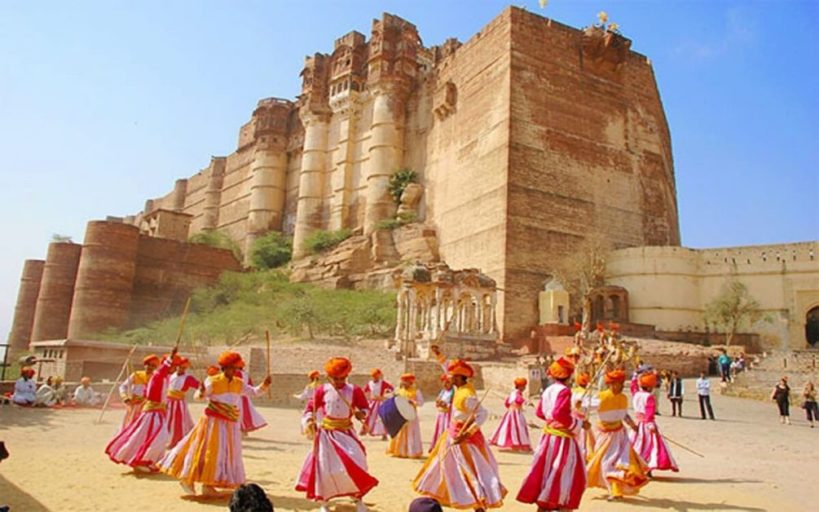
Marwar Festival Rajasthan is a state known for its palaces and forts, rich history, colorful attires, warm and welcoming people and mouth-watering cuisines. Rajasthan also has its unique collection of eclectic and colorful festivals throughout the year; the Marwar Festival is one of the most striking of all these. One such proof of Rajputana pride and nobleness is the Marwar Festival in Jodhpur. Singing, dancing and people dress in colorful attires. It is a colourful riot. The best part of this or any Rajasthani event is the warm hospitality of the locals who treat you as their own and involve you in all the rituals and celebrations.

Marwar Festival :

Originally known as the Maand Festival, the vibrant festival takes place in the Hindu month of Ashwin i.e. during the full moon of Sharad Poornima. Gregorian Calendar in September and October.
Attractions Of Festival :
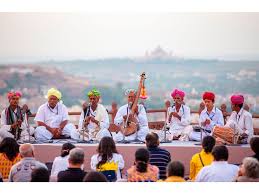
The main attraction of this festival is the folk music centered on the romantic lifestyle of Rajasthan's rulers. The music and dance of the Marwar region is the main theme of this festival. The folk dancers and singers assemble at the festival and provide lively entertainment. These folk artists give others a peek into the days of yore, of battles and of the heroes who still live on through their songs.
Apart from the folk dance and music, which forms the main attractions of the festival there are other celebratory cultural events like the camel tattoo show and Polo matches. Colorful large turbans that seem customary to men’s attire in Rajasthan are also important cultural icons for the people of the state and an integral part of their rich history and livelihood, given the harsh climate. This custom is commemorated in the event with a dedicated turban tying competition, winners of which are awarded special prizes and revered as it is a dying art thriving with in the modern cosmopolitan.
To watch the celebration of the festival book a customize tour with us and visit rajasthan in different ways.
Visit Our Website For More Information about rajasthan and its cities. we have best customized tour packages for visiting rajasthan.

Jodhpur Tour Packages
Rajasthan Car Rental Packages
Rajasthan Tour Packages
Rajasthan Luxury Tour Packages

Wednesday, July 29, 2020

Best Shopping Centers Of Rajasthan

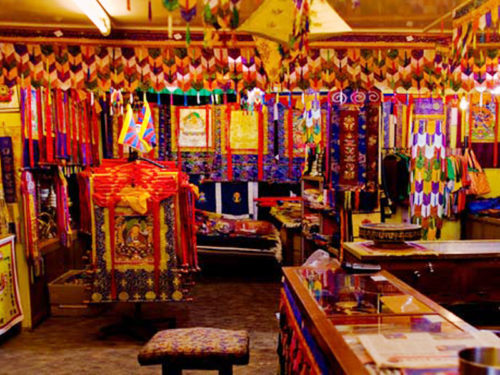
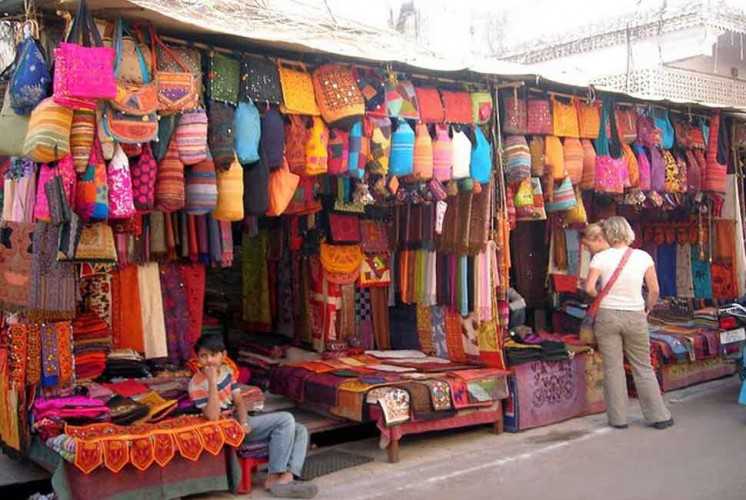
Best Shopping Centers Of Rajasthan attracts travelers from all over the globe. Apart from its numerous heritage places and monuments, tradition and culture can also be seen in local markets in each and every city of Rajasthan. Shopping in Rajasthan is a major enjoyable activity among tourists. With traditional art and crafts, Rajasthan has  magnificent artistry & workmanship which shows in its local markets. Jewellery, pottery, textiles, stone items, wooden furniture, leather items, paintings are some of the most selling items in Rajasthan.

Best Shopping Centers Of Rajasthan

Sadar Bazaar Jodhpur :-

Sadar Bazaar is known as one of the vibrant market in Jodhpur. One can get to wander amongst the tiny shops which have dotting narrow lanes in the heart of the town. Through these lanes, one can get to see the life and color of the Marwar people. One can shop for the jewelry, wedding clothes, steel utensils, and kitchenware along with leather shoes too in this market.

Johri Bazaar Jaipur :-

In the midst of other vibrant things, Jaipur is celebrated for its diverse shopping destinations.  johari-bazar-jaipurThe broad assortment of items and merchandise that are available in the Jaipur bazaars makes this place as one of the most shopped destinations in India. Johari Bazaar is one of the well-known shopping areas of Jaipur. Johari Bazaar is basically a marketplace that’s famous for traditional Rajasthani jewelry. This bazaar is celebrated not only for its widespread jewelry items available but also for its lively atmosphere.
Johari bazaar in Jaipur is a world famous bazaar for jewelry. Johari is a Hindi word. Johari means ‘jeweler’. Jaipur jewelry mirrors the perpetual charisma of crowned heads and highlights in sparkling colors. Enticing jewelry from this imperial city amazes the visitors from all around the world. Be it a fashion show or a traditional occasion, Jaipur ornaments can accentuate any dress, and can please any women. Exquisite jewelries made of gold, emeralds, diamonds and silver can be spotted in several shops at Johari bazaar. Johari bazaar is open for public throughout the week. The overstated exhibition of various kinds of Rajasthani jewelry attracts tourists from various parts of India in addition to the tourists from foreign countries.

Rajasthan Shopping Tour
Rajasthan Budget Tour Packages 
Rajasthan Luxury Tour Packages
Rajasthan Car Rental Packages