Monday, July 29, 2019

Top 12 Places To Visit In Rajasthan During our Trip To Rajasthan in October / November


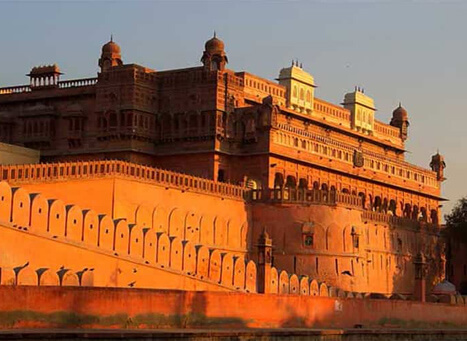
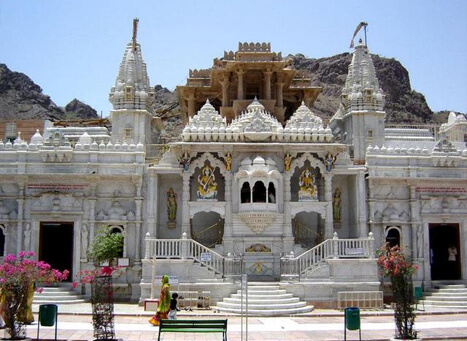
Rajasthan Tourism – Rajasthan is one of the most popular tourist destinations in India, for both domestic and international tourists. Rajasthan attracts tourists for its historical forts, palaces, art and culture with its slogan "Padharo mhare desh" . Every third foreign tourist visiting India travels to Rajasthan as it is part of the Golden Triangle for tourists visiting India. The palaces of Jaipur, lakes of Udaipur, and desert forts of Jodhpur, Bikaner & Jaisalmer are among the most preferred destinations of many tourists, Indian and foreign. Tourism accounts for eight percent of the state's domestic product. Many old and neglected palaces and forts have been converted into heritage hotels. Tourism has increased employment in the hospitality sector. The main sweet of this place is Gewar.
Image result for rajasthan

The Beauty of Rajasthan in Starting of October to November

Rajasthan is indeed a royal chest that holds greatest of treasures spread out across enthralling landscapes. October to November marks the peak season for Rajasthan tourist activities. With monsoon completely out of the picture and also a month void to avoid surprise monsoon, October comes with advent elegance and also is the best time to see Rajasthan. During this season the temperature level between 10 degrees and 27 degrees Celsius. This positive climate allows travelers to explore the destinations of the state and enjoy various activities comfortable.
Book Rajasthan travel packages with Rajasthan Tour Planner at best price

Also, this is the time to see the green as well as the colorful side of Rajasthan. The locations around the Aravallis(Mount Abu)  – the oldest fold mountain hill in the world – go to their best in October – December. You can see haze as well as fog as you walk the tracks in the Aravallis. Migratory birds also make their way to Rajasthan’s Keoladeo National park in winter months, thus making it a pleasure for nature lovers and also photography enthusiasts.

Places to Visit in Rajasthan in October to November 2019 / 2020
Rajasthan is a state best known for its deserts in India. As well as this is why this royal state presented extreme weather conditions throughout the day. It is typically blazing hot during the daytime and also the temperatures drop to freezing cold in the night. This is the significance of the experience of spending time in Rajasthan. As well as when it comes the winter month of October & November, Rajasthan becomes much more exciting as a holiday destination. If you are planning to have an extensive tour for 5-10 days, Rajasthan is the place that you have to be going. Trust us, you will fall in love with the state, even more, when you see during the October to November months. Below are some of the best places to visit in Rajasthan in October and November 2019 which you cannot miss out on.
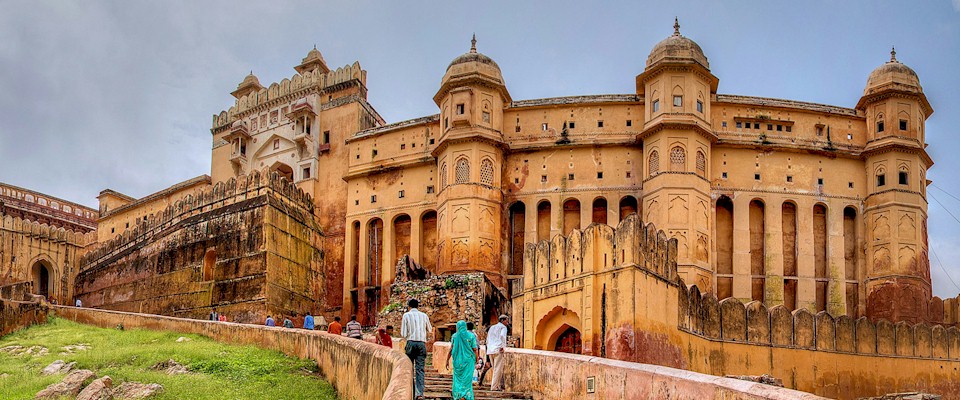
Image result for rajasthan tour

Here are some of the best places to visit in Rajasthan in October:

The tough yet inviting landscape of Rajasthan is something worth exploring! From the red sands to the blue of royalty, from the pink cities to the amber sunsets, from the colorful disorderly streets to the serenity of the sands, this ‘King’s royal house’ is genuinely worth the money and also time! As winter is at our doorstep, let’s take a look at destinations to see in Rajasthan during winter months. These are the best places to visit in Rajasthan in October for a delighting in winter vacation.

#1. Jaipur – The Pink City
Rajasthan’s attractive Pink City Jaipur was the garrison of a clan of leaders whose three hill forts and collection of royal palaces in the city are important tourist attractions. Popular globally for its colored treasures, the capital city of Rajasthan combines the attraction of its old history with all the advantages of a metropolis. Jaipur is filled to the brim with busy local bazaars where you can shop for local handicrafts as well as trinkets to your heart’s content. Jaipur is also very well known for its local food and also the most famous meals include the Ghewar, Pyaaz Kachori and also Dal Baati Churma.

Image result for jaipur

Famous Sightseeing in Jaipur
Amber Fort
City Palace
Jantar Mantar
Hawa Mahal
Jal Mahal
Nahargarh Fort

#2. Alwar – Gateway City of Rajasthan
Alwar is one of the most frequented tourist locations in Rajasthan. Alwar is located in between little hills of Aravali range and also has excellent historical importance. It was founded in 1049 by Maharaja Alaghraj. A Rajput state for a very long time, Alwar at some point fell into the hands of Delhi Sultans in early 13th centuries. Alwar is famous for beautiful lakes, grand royal palaces, magnificent temples as well as towering forts.

Image result for alwar

Famous Sightseeing in Alwar
Bala Qila
Bhangarh Fort
Alwar City Palace
Neemrana Fort
Sariska Tiger Reserve
Vijay Mandir Palace

#3. Jaisalmer – The Golden City
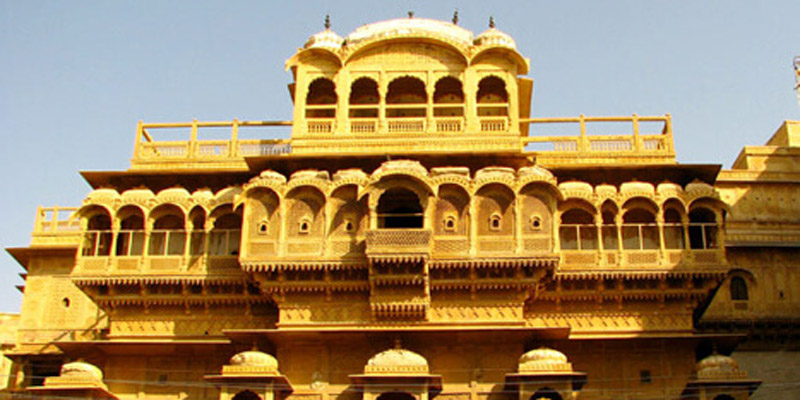
Welcome to the land of regal forts, opulent palaces, and stunning havelis. Spread out on a small patch of land bordered by the Thar Desert is the city of Jaisalmer. Jaisalmer is one of the most visited places in Rajasthan in October throughout the peak visitor season that continues till February. As a city, Jaisalmer is pretty, picturesque as well as beautiful, and also merges well with the shades of the Thar, reflecting the color of the sands that border it on all sides.
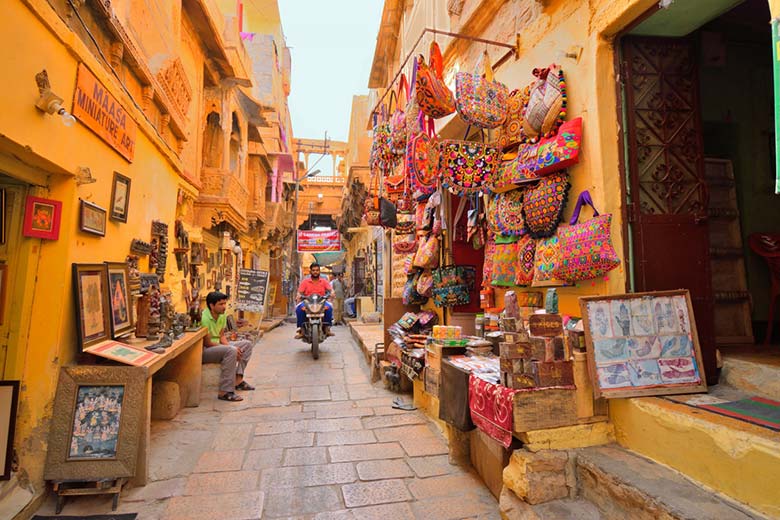
Jaisalmer

Famous Sightseeing in Jaisalmer
Jaisalmer Fort
Salim Singh Ki Haveli
Jain Temples of Jaisalmer
Bada Bagh
Patwon Ki Haveli
Jaisalmer Government Museum

#4. Jodhpur – The Blue City
Jodhpur is a sunny city established versus a bright blue sky. A popular travel location in Rajasthan Jodhpur was previously the capital of the Marwar kingdom. A city grew outside the limits of the fort in olden times. A hub of history as well as architecture fans, Jodhpur tourist is booming day after day. For those, wanting to cherish the culture and tradition of Jodhpur can best prepare their holiday during the October for fairs & festivals like Marwar Festival, Jodhpur International Desert Kite Festival, and Nagaur Fair.
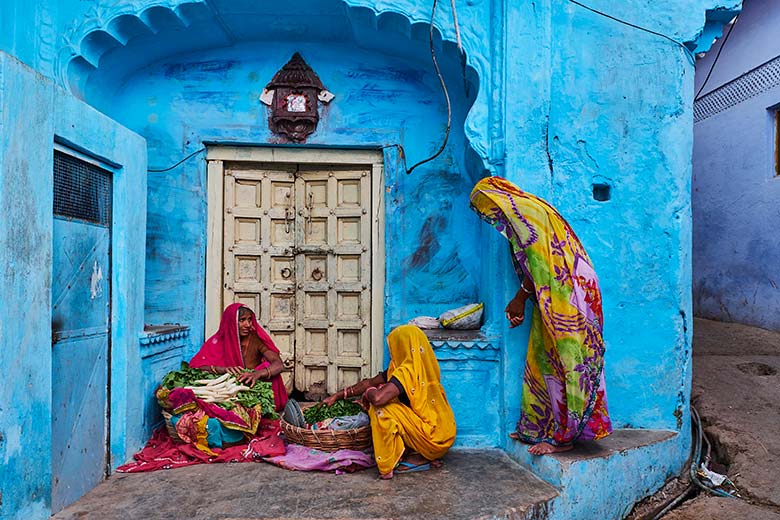
Jodhpur

Famous Sightseeing in Jodhpur
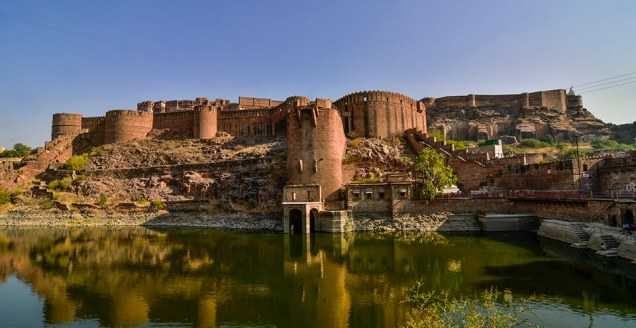
Mehrangarh Fort
Umaid Bhawan Palace
Jaswant Thada
Sheesh Mahal
Chand Baori
Moti Mahal

#5. Pushkar – The Town of Fairs & Festivities
Pushkar is a vital center of pilgrimage for Hindus. The location has a magnetic charm with 400 holy places that are blue white and a variety of bathing ghats. The house of the only temple dedicated to Lord Brahma worldwide, it is just one of the ultimate pilgrimages for Hindus to attain magnificent spiritual happiness. This is just one of extremely couple of places in Rajasthan you would find which isn’t famous due to a fort. Finest time to see Pushkar is during the months of October – November. This is the time when the time Pushkar Camel Fair comes to town, and also the climate is better during these months.
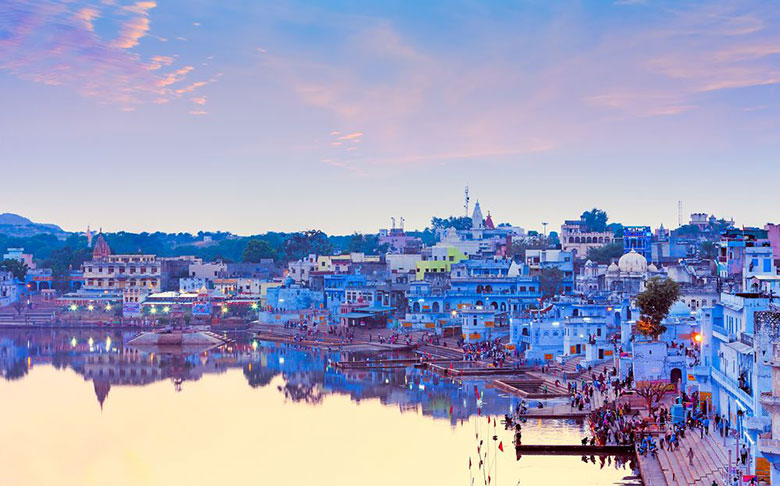
Pushkar

Famous Sightseeing in Pushkar
Pushkar Lake
Brahma Temple
Gurudwara Singh Sabha
Man Mahal
Savitri Mata Temple
Varaha Temple

#6. Nagaur – The Medieval City
Nagaur is a historic city situated in the state of Rajasthan. It was started by the Naga Kshatriyas. The city acts as the headquarter of the Nagaur District. It lies between the popular traveler locations, Bikaner and also Jodhpur. Below you can see the most interesting view of the red chilies which are being dried in open fields. Nagaur also experienced the valour of Great Rao Amar Singh Rathore who challenged the mighty Mughal Empire. The large old Fort has numerous remarkable stories of bravery of the once leaders of the states.
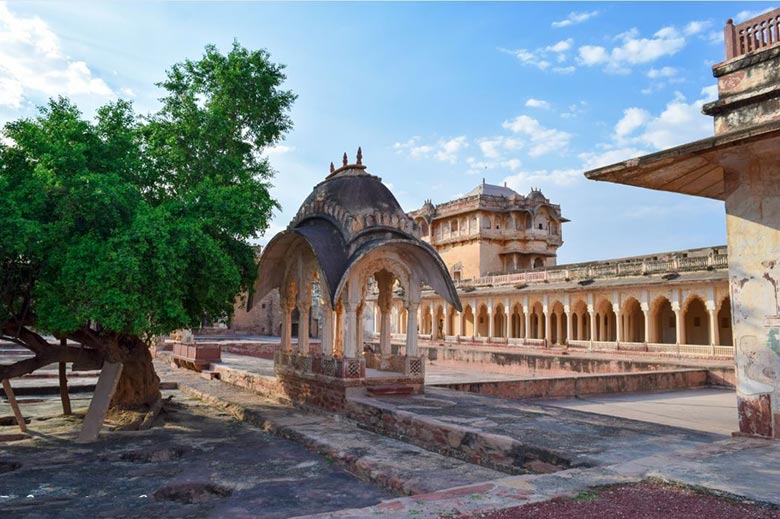
Nagaur Fort

Famous Sightseeing in Nagaur
Nagaur Fort
Rani Mahal
Saiji ka Tanka
Hadi Rani Mahal
Jain Glass Temple
Tarkeen Dargah

Places to Visit in Rajasthan in November

Here are the Top Places to Visit in Rajasthan in November
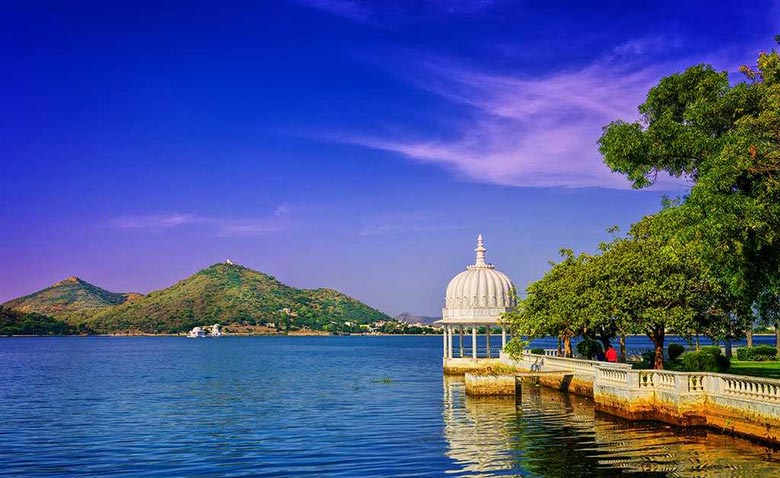
Places to Visit in November

Rising above the popular places to visit in Rajasthan in October, Now right here’s a list of best places to visit in Rajasthan in November, that work as ideal vacations to embrace the winter chills with open arms.

#7. Pali – The Industrial City
Famously known as the industrial city, Pali has made waves in Rajasthan because of the early times. The city from centuries has actually been a center for merchant activities. Snuggled on the relaxing banks of Bandi River, Pali is a historic town in Marwar region of Rajasthan. The city is also known for its many ‘Baoris’ which steps are with wells having intricate as well as artistic designs in each artistic.
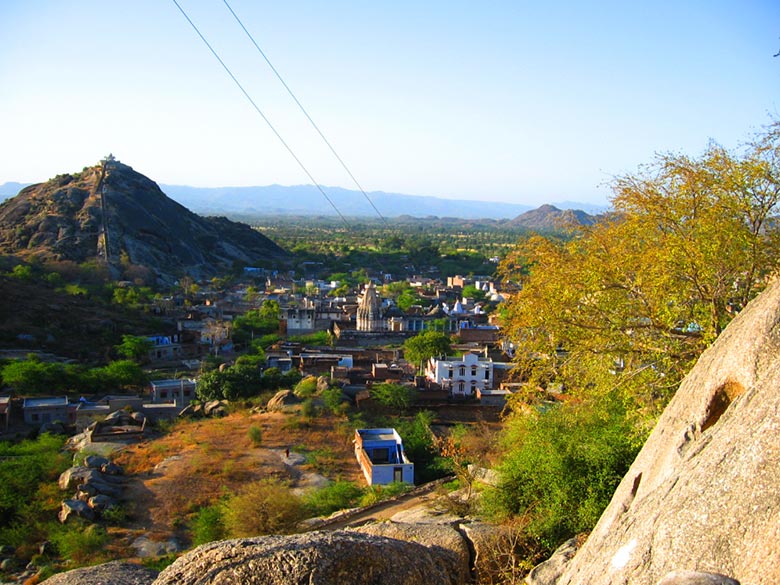
Pali

Famous Sightseeing in Pali
Ranakpur Jain Temples
Parshuram Mahadev Temple
Jawai Dam
Nimbo Ka Nath Temple
Sun Temple
Samand Lake

#8. Udaipur – The City of Lakes
Udaipur, also known to as the City of Lakes, is the crown gem of the state of Rajasthan. It is surrounded by the attractive Aravalli Hills in all directions, making this city as beautiful as it is. This ‘Venice of the East’ has a wealth of all-natural beauty, mesmerizing temples and also spectacular architecture that makes it a must-visit destination in India. The city is also house to the second biggest man-made sweet water lake, as well as has among one of the most exotic boutique hotels in India.
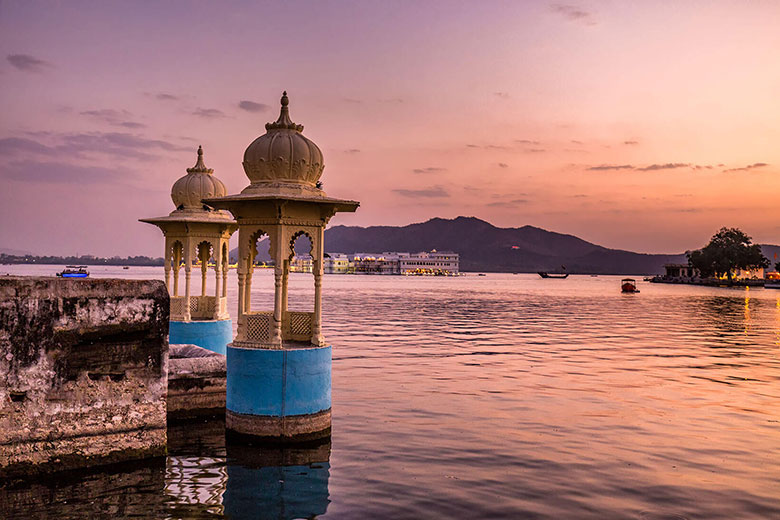
Udaipur

Famous Sightseeing in Udaipur
Udaipur City Palace
Haldighati
Jag Mandir
Saheliyon Ki Bari
Fateh Sagar Lake
Lake Pichola

#9. Bikaner – The Camel Country
Bikaner is one of the most gorgeous and traditionally substantial cities of Rajasthan. Bikaner is a cultural paradise and also a tourist’s haven. This city will hold you captive in its forts, fascinate you with its picturesque beauty, as well as astonish you with its glorious past. The city is well appreciated for its old temples, continues to be of Harappan culture, massive forts, palaces and far more. You will also find the elaborate architecture and buildings standing alone from the 16th-century.
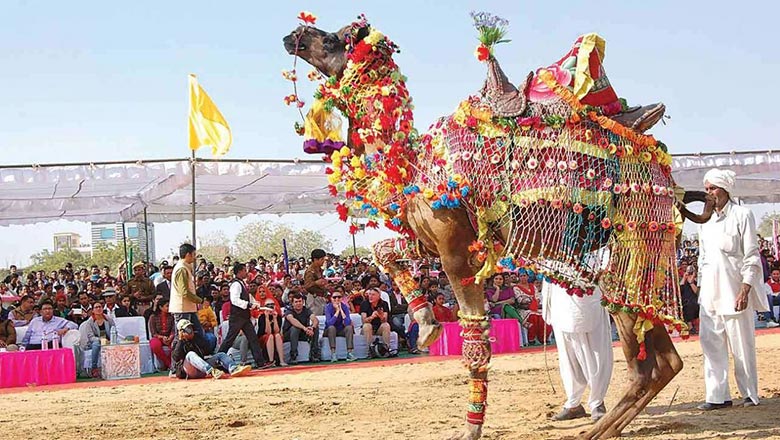
Bikaner

Famous Sightseeing in Bikaner
Junagarh Fort
Lalgarh Palace & Museum
Karni Mata Temple
Laxmi Niwas Palace
Gajner Palace
National Research Centre On Camel

#10. Mount Abu – Hill Station of Rajasthan
In a large stretch of desert and also dry spell rode plains of Rajasthan, Mount Abu, the state’s only hill station stands at a height of 1722 meters above sea level, as well as is welcomed by rich eco-friendly hills of the Aravalli range. It lies on the Aravalli Chain of mountains at the boundary of Rajasthan as well as Gujarat and is considered a wonderful area for the trip, apart from being a significant traveler attraction courtesy its area and all-natural splendor. Covered in vast stretches of green forests, calm lakes, as well as gushing waterfalls, this region allows you to revel amidst breathtaking vistas, all the time.
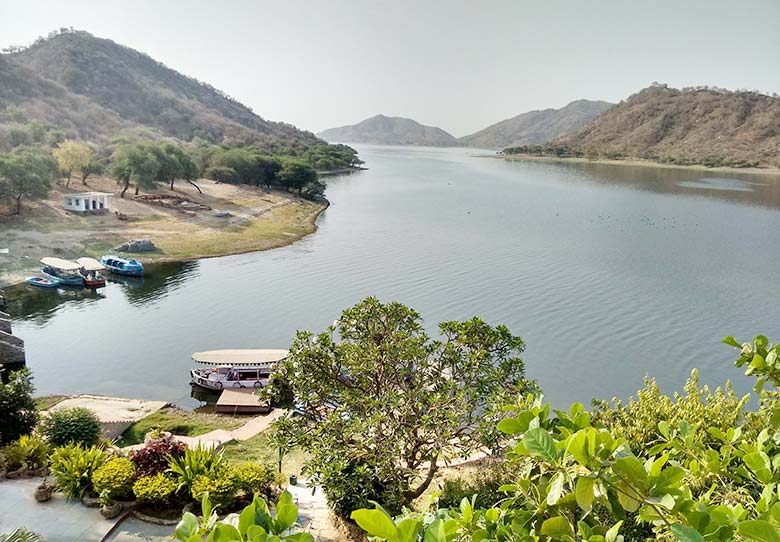
Mount Abu

Famous Sightseeing in Mount Abu
Nakki Lake
Guru Shikhar Peak
Dilwara Jain Temple
Mount Abu Wildlife Sanctuary
Sunset Point
Achalgarh Fort

#11. Chittorgarh – The Land of India’s Best Fort
Situated at the southeastern corners of Rajasthan, Chittorgarh is a database of ancient buildings, rich heritage as well as evergreen folklore boasting of its royal splendor. The tale of Chittorgarh is a saga of valor, tenacity as well as sacrifice. Chittorgarh (also Chittaurgarh) was sacked 3 times and also its defenders had to make the supreme sacrifice. Chittorgarh is named after its most imposing structure, the Chittorgarh Fort which stands atop a 180-meter high hill and also is spread throughout 700 acres. The city stands strewn with monuments and also battlements as proof of the blood and also gore that it experienced in medieval times.
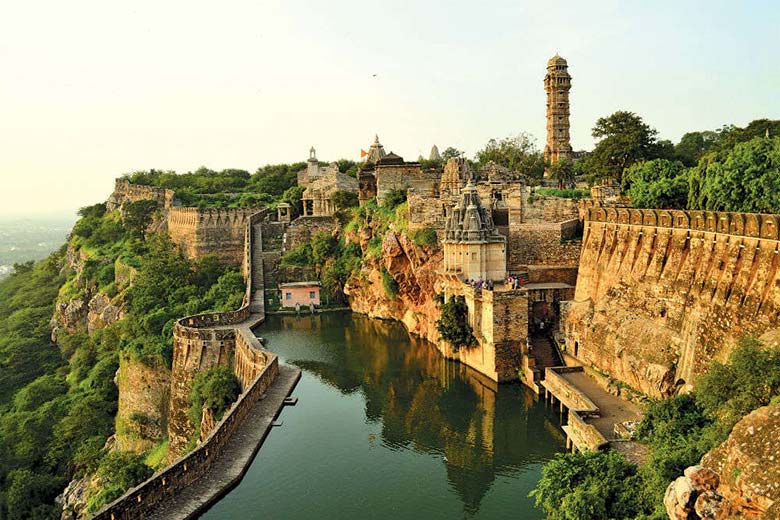
Chittorgarh

Famous Sightseeing in Chittorgarh
Chittorgarh Fort
Rani Padmini’s Palace
Vijay Stambh
Fateh Prakash Palace
Meera Temple
Bassi Wildlife Sanctuary

#12. Ajmer – A Gem in the Lap of Aravali
Ajmer, located in the Ajmer District of Rajasthan is the 5th largest city of the state, and also is located at a distance of 135 kilometers from the capital city of Jaipur. The city of Ajmer gets its name from “Ajay Meru”, which can be about translated as “invincible hill”. Home to a number of tourist areas, Ajmer can be the best representation of the variety of the Indian representation and also values, and shows an ideal blend of religion, community, culture, etc., existing side-by-side and also thriving in harmony. As well as some spectacular examples of primitive Muslim building and construction located, Ajmer is also a remarkable town for the Jain religion, possessing an astonishing golden Jain temple.
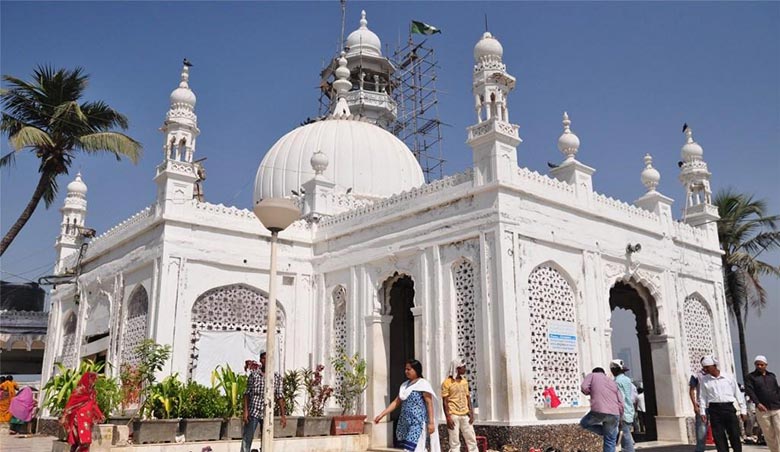
Ajmer

Famous Sightseeing in Ajmer
Ajmer Sharif Dargah
Soniji Ki Nasiyan
Nareli Jain Temple
Gateway of Taragarh Fort
Kishangarh Fort
Prithvi Raj Smarak
Rajasthan is the royal state, and absolutely, one of the most visited tourist places in India from October to November. So, if you still have not decided regarding where must you be headed this winter, give Royal Rajasthan a chance. Right here, in the land of kingdoms, time will just fly.


Rajasthan Tourism

Rajasthan Tour Packages

Rajasthan Luxury Tours 

Rajasthan Attractions

Saturday, July 27, 2019

Famous Monuments of Bundi - Bundi Tour Operator


Bundi (Rajasthan Tourism) - Bundi is a town in the Hadoti region of Rajasthan state in northwest India. It is of particular architectural note for its ornate forts, palaces, and stepwell reservoirs known as baoris. It is the administrative headquarters of Bundi District. Bundi has many temples, so it is called "Chhoti Kashi".

Image result for bundi fort

Kshar Bag - Located near the Chhatra Vilas Garden, Kshar Bag, sometimes known as Saar Bagh, houses the memorial cenotaphs of the royal family of the Bundi state. It is located on the Shikar Burgh Jait Sagar Road.

Sukh Mahal - Sukh Mahal, a small, two-storied palace was a summer retreat of past rulers. Today, it is quite famous for being the place where Kipling wrote ‘Kim’. Many credit the palace as a having played muse to the renowned novel. In fact, part of a movie based on the novel was even shot here.

Related image

Raniji ki Baori - Raniji ki Baori, also known as 'Queen's Stepwell', is a famous stepwell built in 1699 by Rani Nathavati Ji, the younger queen of the ruling king Rao Raja Anirudh Singh of Bundi. This multi-storied stepwell displays excellent carvings of Gajraj with his trunk turned inwards, giving the impression of having drunk from the baori on its pillars. Its high arched gate gives it an inviting appearance.

Nagar Sagar Kund - Located outside the Chauhan Gate, the Nagar Sagar Kund, a set of twin step wells, was constructed to provide water during times of famine.

Taragarh Fort - Built in 1345, Taragarh is one of the most impressive structures in Bundi. While it may be a bit ramshackle and strewn with overgrown vegetation, the palace grounds are a great place for a leisurely stroll. With its curved roofs topping pavilions, excess of temple columns and elephant and lotus motifs, the palace is a tribute to Rajput style.

Image result for bundi

84 Pillared Cenotap - As the name suggests, the 84 Pillared Cenotaph is a structure supported by 84 columns. Commissioned by Rao Anirudh, the Maharaja of Bundi, this cenotaph is a tribute to his beloved wet nurse, Deva, who he loved dearly. A popular tourist attraction, this impressive structure is decorated with carvings of deer, elephants and apsaras.

Nawal Sagar Lake - Nawal Sagar Lake is an artificial lake that is a major tourist attraction and can even be seen from the Taragarh Fort. There is a half-submerged temple dedicated to Lord Varun Dev in its centre. What makes the lake unique is that one can see the reflection of nearby palaces and forts in its waters.

Image result for nawal sagar lake bundi

Garh Palace Bundi - The Garh Palace in Bundi is counted among the largest palaces in India, even if it is a little less known. Inside, the palace is a collection a number of palaces that were built by different rulers over the span of 3 centuries. Garh Palace is known for its Rajput architecture, which is easily noticeable in the jharokhas and pillars, many of which sport elephant carvings. Some of the famous palaces here include Chhatra Mahal, Phool Mahal and Badal Mahal, but one of the most famous ones has to be the Chitrashala, which has a fascinating pavilion and gallery of miniature murals. The palace is open to visitors from 8.00 am in the morning till 5.00 pm in the evening. There is a small entry fee that has to be paid, and one has the option to hire a guide who can take you through the stories and history of this beautiful palace.

Image result for Garh Palace Bundi

Hathi Pole - The steep climb to the Garh Palace in Bundi ends at two main gates that are used for entrance. Of these two gates, the most popular is the Hathi Pole. This gate is a huge architectural feat that evokes a sense of grandeur. The gate has two elephants depicting blowing bugles, and was commissioned by Rao Ratan Singh. Marking the entrance of the Garh Palace, the Hathi Pole forms a major point of attraction in Bundi.

Ramgarh Vishdhari Sanctuary - Ramgarh Vishdhari Wildlife Sanctuary is located 45 kilometres from Bundi on the Bundi-Nainwa road. Covering an area of 252 sq. km., this sanctuary is home to a variety of flora and fauna. Established in 1982, it forms a buffer for Ranthambore National Park. The best time to visit is between September and May.

Image result for Ramgarh Vishdhari Sanctuary

Dabhai Kund - Shaped like an inverted pyramid, the Dabhai Kund, also known as Jail Kund, is the largest of its kind in Bundi. The fantastic carvings on the steps that lead to the water alone are reason enough to warrant a visit.


Rajasthan Tourism

Bundi  Tour Operator 

Rajasthan Tour Packages 

Rajasthan Budget Tours 

Rajasthan Luxury Tour Packages

Friday, July 26, 2019

Exploring Jaisalmer with Jaisalmer Tour Operator


Jaisalmer Tour Operator –  Jaisalmer is a former medieval trading center and a princely state in the western Indian state of Rajasthan, in the heart of the Thar Desert. Known as the "Golden City," it's distinguished by its yellow sandstone architecture. Dominating the skyline is Jaisalmer Fort, a sprawling hilltop citadel buttressed by 99 bastions. Behind its massive walls stand the ornate Maharaja's Palace and intricately carved Jain temples. 

Image result for Jaisalmer tours


Jaisalmer Fort - The Jaisalmer Fort also goes by the name Sonar Quila (Golden Fort) as it rises from the desert itself and seems to become one with the golden hues of the sand. The setting sun adds its own magic and shrouds the fort with mystique. The fort is constructed in the classic style of the royals by local craftsmen. This fort is a world heritage site and forms an important plot point in one of Satyajit Ray’s famous Feluda stories and corresponding movie, Sonar Kela (The Golden Fortress).

Image result for jaisalmer fort

Jaisalmer Government Museum -  Established by the Department of Archaeology and Museums, it is a prime attraction for tourists visiting Jaisalmer. The most striking display is the trophy of Rajasthan‘s state bird Godawan (the great Indian bustard). Traditional household items, rock-cut crockery, jewellery and statues from the 7th and 9th century AD displayed here are remnants of the city’s rich cultural heritage.

Nathmal Ji Ki Haveli -Two architect brothers built Nathmal Ji Ki Haveli in the 19th century. They worked on the haveli from two sides and the outcome is a beautiful blend of the symmetrical construction. Miniature style paintings and mighty tuskers carved out of yellow sandstone are used for decoration.

Related image

Salim Singh ki Haveli -This haveli was built in the first half of the 18th century and a part of it is still occupied by descendants of the original residents. The high arched roof is supported by carved brackets designed in the shape of peacocks. Legend has it that there were two additional wooden storeys that made it match the Maharaja's palace in height, but he ordered for the upper level to be demolished.

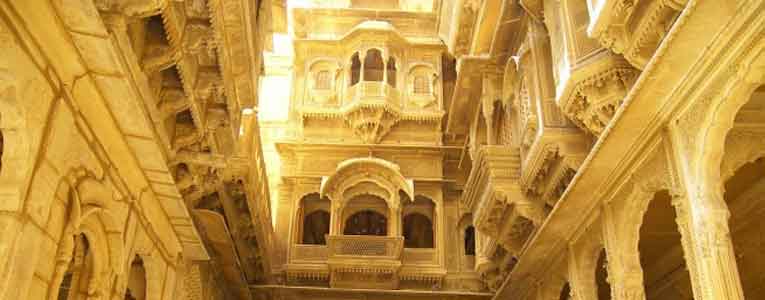
Patwon Ki Haveli -mong the largest and the most elaborately carved havelis in Jaisalmer, this five-storey structure sits proudly in a narrow street. While the haveli has lost some of its early glory, a few paintings and mirror work art can still be seen on the inside walls.

Image result for Patwon Ki Haveli


Mandir Palace -The five-storeyed majesty of the Badal Mahal (Cloud Palace) is further enhanced by its pagoda-like Tazia Tower. Each floor of the palace has an intricately carved balcony. The Badal Palace owes its beauty to the skills of Muslim craftsmen who moulded the tower in the shape of a Tazia (a float that’s part of the procession of Muharram).

Jain Temples of Jaisalmer -The Jain Temples located inside the Jaisalmer Fort date back to the 12th and 15th centuries. The temples are dedicated to Rikhabdevji and Shambhavdevji, famous Jain hermits known as 'Tirthankars' (wise teachers who taught people how to attain nirvana). Like all other structures in Jaisalmer, the temples are carved out of yellow sandstone. They have been built in the famed Dilwara style which is known for its beautiful architecture.

Image result for Jain Temples of Jaisalmer

Gadsisar Lake - Gadisar Lake was constructed in the 14th century by Maharawal Gadsi Singh to meet the water needs of his arid lands. Considering its importance, many small temples and shrines were constructed around it, transforming it into a pilgrimage centre and a tourist attraction.

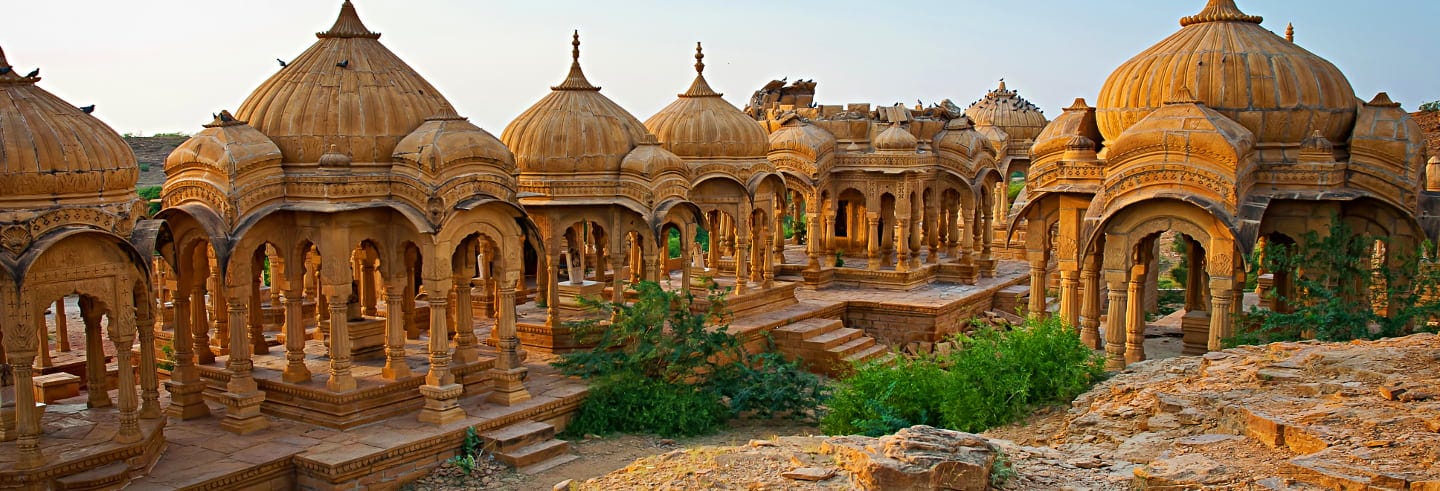
Bada Bagh -About 6 kilometres to the north of Jaisalmer lies Bada Bagh, also called Barabagh (literally Big Garden). This garden complex houses chhatris or royal cenotaphs of the Maharajas of Jaisalmer state, including that of Jai Singh II. The location of the garden is such that it offers wonderful sunset vistas to tourists.

Related image

Desert National Park - The Desert National Park displays the best of the Thar desert’s ecosystem and its varied wildlife. The Park is formed of undulating sand dunes, jagged rocks, dense salt lake bottoms and inter-medial areas. Various species of animals such as black buck, chinkara and desert fox inhabit the Park. The highly endangered Great Indian Bustard, one of the world's heaviest flying birds, can also be seen here. In winter, the park hosts an incredible variety of migratory raptors such Himalayan and Eurasian Griffon Vultures, Eastern Imperial Eagle, and the Saker Falcon.

Kuldhara - The underlying history of Kuldhara has piqued the curiosity of one visitor too many, and makes it one of the most enigmatic destinations to visit in Jaisalmer, Rajasthan. The story has a beautiful daughter, an unscrupulous minister, scared villagers, an exodus in the middle of the night, and no idea where the villagers vanished. This is not the story of a movie, but the unfathomable legend that lies behind the abandoned village of Kuldhara. Located about 18 km from the city of Jaisalmer is this old town that was abandoned by its villagers in the 1800s. It was like the entire town vanished in the course of a single night. With about 85 villages full of people, it remains a mystery as to how no one saw them leave; in fact, even to this date, no one knows where all of them went either. The village remains uninhabited to the day, in the same state that the villagers had left it, hundreds of years ago. The location has become a major tourist destination as people from all over the world travel here to revel in the mysteries of the past. The desolate outline of Kuldhara etches a story in front of your eyes, if you are keen enough to read it!

Image result for Kuldhara Jaisalmer

Vyas Chhatri - Located in Bada Bagh in Jaisalmer, Vyas Chhatri is one of the most beautiful examples of Rajasthani architecture. This old Brahmin cemetery, full of local versions of cenotaphs, is dedicated to Ved Vyaas, the sage who wrote the epic, Mahabharata. Filled with cenotaphs all throughout, this place is more popularly referred to as the sunset point of Jaisalmer. Every evening, hordes of people visit the Vyas Chhatri to get a glimpse of the beautiful desert sunset. Everywhere around here you can see beautiful golden sandstone chhatris that are covered in intricate and delicate carvings. A popular destination among tourists, Vyas Chhatri offers a bird’s eye view of Jaisalmer, the fort, and even the adjoining areas. Visitors can also witness a number of locals at Vyas Chhatri, playing Rajasthani tunes on the algoza, a double fluted instrument, making it an experience that astounds the senses.

Ramdevra Temple - Located 12 kilometres from Pokhran on the Jodhpur – Jaisalmer route lies Ramdevra Temple. While most people assume it is a temple dedicated Lord Ram, it is in fact, dedicated to renowned saint Baba Ramdevji. The temple marks the eternal resting place of Baba Ramdevji and is visited by people of all faiths. Between August and September, a large fair known as Ramdevra Fair is held here, and it attracts large numbers of devotees who sing devotional songs all night long.

Image result for ramdevra temple Jaisalmer

Amar Sagar Lake - Amar Sagar Lake, located about 7 km towards the western outskirts of Jaisalmer, is a lake cum oasis lying adjacent to the Amar Singh Palace. The palace itself was built in the 17 th century. The complex that includes the palace and the lake is also home to several ponds and wells, along with an old temple dedicated to Lord Shiva. Numerous figureheads of animals carved in stone surround the lake, and according to legends, these carved figureheads are supposed to be protectors of the royal family. At one end, there are pavilions with stairs that lead down to the lake; while at the other end is a beautiful, aesthetically carved Jain temple. A peaceful and tranquil place, the Amar Sagar Lake is yet another spot in Jaisalmer where you have an opportunity to watch a gorgeous sunset.

Tanot Mata Temple - Some 120 kilometres away from Jaisalmer is the Tanot Mata Temple. Tanot Mata is considered to be a reincarnation of Goddess Hinglaj. There are many stories of how during the 1965 India-Pakistan war, Tanot was under heavy attack and shelling. However, none of the shells or bombs fired at the temple exploded. This reaffirmed people’s faith that Goddess the temple. Post the war, the Border Security Force (BSF) rebuilt the temple and today, the temple is managed by a BSF Trust.

Image result for tanot rai temple Jaisalmer


Rajasthan Tour Planner

Rajasthan Tourism 

Rajasthan Best Packages 

Rajasthan Luxury Tour Packages 

Thursday, July 25, 2019

Visit Jodhpur With Jodhpur Tour Operator


Jodhpur (Rajasthan) – Jodhpur is the second largest city in the Indian state of Rajasthan and officially the second metropolitan city of the state. It was formerly the seat of a princely state of the same name. The capital of the kingdom was known as Marwar. Jodhpur is a popular tourist destination, featuring many palaces, forts and temples, set in the stark landscape of the Thar Desert. The old city circles the fort and is bounded by a wall with several gates. However, the city has expanded greatly outside the wall over the past several decades. Jodhpur lies near the geographic centre of the Rajasthan state, which makes it a convenient base for travel in a region much frequented by tourists.

Image result for jodhpur

Mehrangarh Fort - Rising perpendicular and impregnable from a hill which is 125 metres above Jodhpur’s skyline is the Mehrangarh Fort. This historic fort is one of the most famous in India and is packed with history and legends. Mehrangarh Fort still bears the imprints of cannonball attacks courtesy the armies of Jaipur on its second gate. Chiselled and sturdy, the fort is known for its exquisite latticed windows, carved panels, intricately decorated windows and walls of Moti Mahal, Phool Mahal and Sheesh Mahal.

Image result for jodhpur tour operator

Khejarla Fort - Located 85 kilometres from the main city, the 400-year old Khejarla Fort is situated in a rural setting. The stunning red sandstone monument, now a hotel, is an example of Rajput architecture. Visitors will be mesmerised by the fort's picturesque settings, latticework friezes and intricate Jharokas.

Umaid Bhawan Palace - Umaid Bhawan Palace was built by Maharaja Umaid Singh in 1929 to counter a famine which had hit the state at the time. It was also known as the Chittar Palace while being constructed thanks to the use of stones drawn from the Chittar hill. The palace was designed by HV Lanchester, a renowned British architect, and was completed in 16 years. Built with sandstone and marble, the architecture of the palace is described as a blend of lndo-Saracenic, Classical Revival and Western Art Deco styles. It is recognised as one of the largest private homes in the world and also one of the more spectacular buildings. It is the only palace built in the 20th century.

Image result for umaid bhawan palace

Chamunda Mataji - Chamunda Mataji was Rao Jodha’s favourite goddess and so her idol was bought to the Mehrangarh Fort. Thus, the fort became a place of worship and was turned into a temple. Since then, locals have followed the culture of worshipping Chamunda Mata. In fact, till date, the goddess remains the Isht Devi (the adopted goddess) of Maharajas and the royal family.

Ranisar Padmasar - Located near the Fateh Pole in Mehrangarh, the Ranisar and Padmasar are adjacent lakes that were constructed in the year 1459. Ranisar Lake was built on orders of Queen Jasmade Hadi, Rao Jodha's wife while Padmasar Lake was ordered by Queen Padmini of Rao Ganga, daughter of Rana Sanga of Mewar.

Image result for ranisar padamsar jodhpur

Jodhpur government museum - The government museum, located in Umaid Garden, houses a rich collection of relics including armoury, textiles, local art and crafts, miniature paintings, portraits of rulers, manuscripts and images of the Jain Tirthankaras. Wildlife lovers can also visit the zoo, which is located close by.

Jaswant Thada - This milky white memorial built towards the end of the 19th century as a tribute to the leader Jaswant Singh is a huge tourist attraction. Jaswant Singh, who ruled Jodhpur, invested well in his state. He made attempts to bring down the level of crime, subdue dacoits, built railways and broadly worked on raising the economy of Marwar. Jaswant Thada is managed and looked after by the Mehrangarh Museum Trust (MMT) and is open to public. The Trust is operating a Museum in Jaswant Thada displaying portraits of Marwar rulers along with informative didactics – the information serves as orientation space to understand the history of Marwar through the Portraits. Its grounds serve as a serene venue for morning concerts during music festivals such as the Rajasthan International Folk Festival and the World Sacred Spirit Festival.

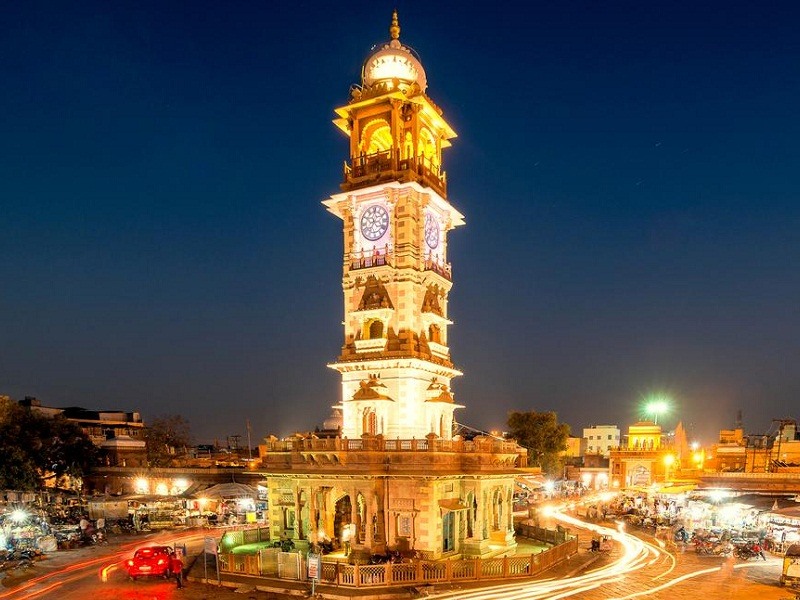
Ghanta Ghar - Ghanta Ghar, also known as the clock tower of Rajasthan, is situated in one of the busiest areas of Jodhpur, the Sadar Bazaar. It was constructed by Shri Sardar Singh Ji of Jodhpur. The Sadar Market is quite popular among tourists, who throng the streets to purchase Rajasthani textiles, clay figurines, miniature camels and elephants, marble inlay work and classic silver jewellery.

Image result for ghanta ghar

Mahamandir Temple - Mahamandir, meaning great temple, is a sanctified spot where tranquillity reigns supreme. Situated on Mandore road, the temple is an architectural wonder. It is supported by 84 pillars and ornamented with detailed designs and figures depicting various postures of Yoga.

Mandore - Towards the north of Jodhpur is the ancient capital of Marwar, Mandore. This area is of major historical importance and you will find the dewals or cenotaphs of Jodhpur’s former rulers. Unlike the original chhatri-shaped cenotaphs that are typical patterns of Rajasthan architecture, these are built along the lines of Hindu temples.

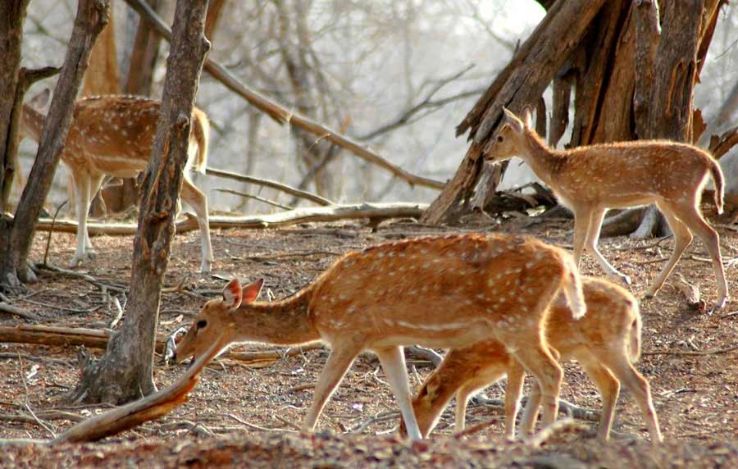
Machiya Safari Park - This park is situated on the way to Jaisalmer, about 1 kilometre from Kailana Lake. It offers a bird watching point for visitors and is also home to several animals such as deer, desert foxes, monitor lizards, blue bulls, hare, wild cats, mongoose, monkeys, etc. The park also offers spectacular views of sunset and should not be missed.

Image result for balsamand lake jodhpur

Balsamand Lake - Balsamand Lake is about 5 kilometres from Jodhpur on the Jodhpur-Mandore Road. Built in 1159 AD, it was planned as a water reservoir to cater to Mandore. The Balsamand Lake Palace was built on its shore later as a summer palace. It is surrounded by lush green gardens that house groves of trees such as mango, papaya, pomegranate, guava and plum. Animals and birds like the jackal and peacock also call this place home. This lake is now a popular picnic spot with tourists and locals.

Guda village - Guda, a Bishnoi village, is home to a vivid range of exotic wildlife and nature. It is a habitat for thousands of migratory birds in the area. One can often catch the Demoiselle crane frolicking at the lake. Antelopes and black bucks can also be spotted by the pond. This place is a must-visit for nature lovers.


Rajasthan Tourism

Best Tour Packages

Rajasthan  Budget Tours 

Rajasthan Luxury Tours

Wednesday, July 24, 2019

Mount Abu Tour Operator | The "Hill Station of Rajasthan"


Mount Abu “Hill Station” of RajasthanMount Abu is a popular hill station in the Aravalli Range in Sirohi district of Rajasthan state in western India, near the border with Gujarat. The mountain forms a distinct rocky plateau 22 km long by 9 km wide. The highest peak on the mountain is Guru Shikhar at 1,722 m (5,650 ft) above sea level. It is referred to as 'an oasis in the desert' as its heights are home to rivers, lakes, waterfalls and evergreen forests. The nearest train station is Abu Road railway station: 28 km away.

Related image

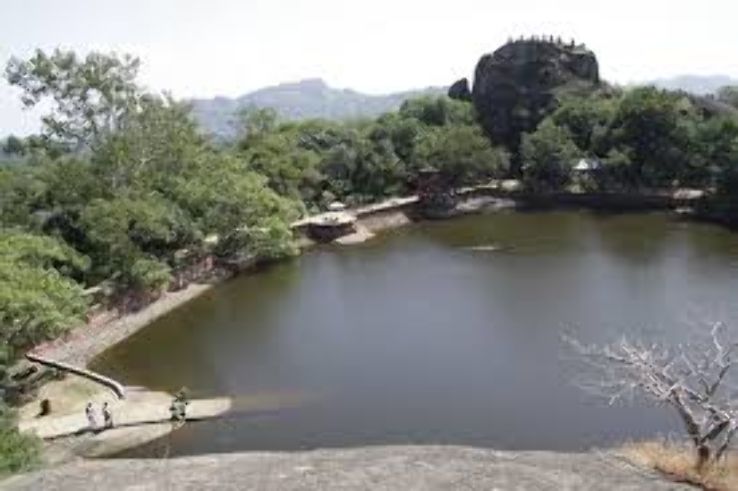
Nakki LakeLocated at the heart of Mount Abu, Nakki Lake is the first manmade lake in India. 11,000 meters deep and about a quarter of a mile wide, a trip to Mount Abu is considered incomplete without visiting Nakki Lake. A number of legends surround the origin of the lake, including one that states that Nakki Lake is said to be a sacred lake for the proud Garasia Tribe; but the fact is undeniable that a visit to this place brings you close to the beauty of nature and serenity. As you take a boat ride over the tranquil waters, you can gaze at the mesmerizing hills, the interestingly shaped rocks, and the lush greenery that surrounds the lake. It was the Nakki Lake where Mahatma Gandhi’s ashes were immersed back in 1948 and the Gandhi Ghat was constructed nearby, that’s all the more reason to visit this place. From nature lovers to photographers, the Nakki Lake has clean blue waters and beautiful surroundings that add to the romantic element of the lake, making it a must visit destination for everyone.

Image result for Nakki lake mount abu

 Guru Shikhar -Guru Shikhar is one of the peaks of the Aravallis, which has the honor of not only being the highest point in Mount Abu, but in the entire Aravali Range. Standing at 1722 meters above sea level, Guru Shikhar is a must visit destination in Mount Abu for the amazing panoramic views it offers of Mount Abu and the surrounding Aravalis, and also for spiritual reasons. Right before you reach the peak, you will find a temple dedicated to Dattatreya, who is believed to be the son that was given to the sage Atri and his wife Anasuya by the holy trinity, Brahma, Vishnu, and Shiva. The peak itself is dedicated to Dattatreya and the temple, dedicated to Lord Vishnu, is an important pilgrimage point for Vaishnavites. Right near the peak is another temple, this one dedicated to Ahilya. On the peak, there is also a huge bell with ‘1141 AD’ inscribed on it. While the original bell had begun to disintegrate and was replaced by a newer bell, its tones are still very captivating and reach a long distance. It is a common practice among visitors to head the peak to try and ring the bell as hard as they can, only to witness the sound-filled serenity in it.

Related image

Toad Rock View PointKnown for being surrounded by a number of strangely shaped rocks, Nakki Lake offers numerous photo ops to visitors. One of the most popular destinations near Nakki Lake however, has to be the Toad Rock View Point. Located on the main trekking trail near the Lake, the Toad Rock has often been referred to as the mascot of Mount Abu. The massive rock structure is an excellent illustration of igneous rocks found in amazing shapes and is shaped, as the name suggests, like a toad. One of the most frequented places in the hill station; people visit this place out of sheer curiosity. It is pretty easy to climb the rock and the views that it offers of the Nakki Lake and the surrounding greenery are unparalleled. Apart from the novelty of the rock itself, the breathtaking scenery from atop just adds to whole experience, making it well worth your while.

Image result for Toad Rock View Point mount abu

Dilwara Jain TempleThe Dilwara Jain Temple in Mount Abu is considered to be one of the most beautiful Jain pilgrimage sites in the entire world. While it looks like a basic temple from the outside, when you enter, you can marvel at the extraordinary architecture and the marvelous stone carvings that grace the temple. The interiors of the temple truly showcase craftsmanship at its best. Built between the 11 th and the 13 th centuries AD, the temples display intricately carved ceilings and pillars that won’t fail to inspire you. Surrounded by lush green hills, the ambiance of serenity and peace at the Dilwara Temples is unparalleled. The temple is divided into 5 sections, namely: 1. Shri Mahaveer Swami Temple: Constructed in 1582, this temple is devoted to Lord Mahaveer, the 24th Tirthankara of Jain's. 2. Shri AdiNath Temple/Vimal Vasahi Temple: Built by Vimal Shah, the Minister of the Solanika ruler of Gujarat in 1031 A.D., this is the oldest temple of all, and is dedicated to Shri Adinath Ji, the first Jain Trithankara. 3. Shri ParshavNath Temple/Khartar Vasahi Temple: Built by the Mandika clan in between 1458-59 A.D., this temple features a tall pinnacle along with four big Mandapas. 4. Shri Rishabdaoji Temple/Peethalhar Temple: Most of the statues here are built using ‘Pittal’ (Brass), and has been built by Bhima Shah, a minister from the Gujarat dynasty. 4. Shri Nemi Nath Ji Temple/Luna Vasahi Temple: Built in 1230 A.D. by two brothers, Tejpal and Vastupal, this temple is dedicated to the 22nd Tirthankara of Jainism - Shri Nemi Nathji. Open every day from 12.00 pm to 5.00 pm, the temple is open to all, and is quite an exquisite sight to behold when in Mount Abu.

Image result for dilwara jain temple

Mount Abu SanctuaryThere is hardly any dearth of wildlife sanctuaries in Rajasthan, and among them is this gem named the Mount Abu Sanctuary. Located across the oldest hill range in the country, the Aravalis, the sanctuary covers a huge area, and is home to a rich variety of wildlife. From the flora, fauna, and the avian species that can be seen here to the breathtaking views and sceneries offered, as well as the eco-tourism opportunities, the sanctuary is definitely a favorite among the many visitors to Mount Abu. The vegetation starts from being sub-tropical thorn forests at the foothill region, and varies up to sub-tropical evergreen forests at higher altitudes. Home to a number of rare and endangered species of animals, the sanctuary houses leopards, jungle cats, sambhar, wolves, Indian civets, hyenas, Indian foxes, jackals, bears, wild boars, common langurs, pangolins, Indian hares, mongoose, hedgehogs, and porcupines, among others. With the presence of over 250 avian species, the sanctuary also makes for an amazing destination for bird watchers.

Image result for Mount Abu Sanctuary

Lal Mandir Mount Abu - Located on Delwara Road, near the Delwara Jain Temple, is this small temple dedicated to Lord Shiva. The temple offers a very peaceful ambiance and is considered as one of the most ancient holy places located in Mount Abu. A small and beautiful temple, the Lal Mandir gets its name from the fact that all the walls of the temple have been painted red. The temple is one of the must visit spots in Mount Abu, popular among the religious tourists as well as others. The temple is also quite well-known for being a Swayambhu ‘ Shiva Temple, so named because the idol placed inside the temple can be seen wearing a ‘jenau’.

Image result for Lal Mandir Mount Abu

Trevors Tank Mount Abu - Trevor’s tank, a crocodile park, is a manmade crocodile breeding spot which is located at a distance of about 5 kilometres from Mount Abu. The spot offers amazing scenic beauty and a great spot for crocodile, bird, and other wildlife (like the black bear) sightings. The lush green surroundings make it quite a popular picnic spots that is always worth a visit. Trevor’s Tank is a small but pristine ecosystem for crocodiles, and creates a unique blend between manmade creations and the natural environment. Being located at a hill station, Trevor’s Tank can be visited all throughout the year, owing to the mild weather it enjoys all the time. However, it might be a good idea to avoid the monsoon season, as that may hinder your explorations slightly. Whether you are a shutterbug or want to watch some birds or other wildlife, Trevor’s Tank is a destination to add on your Mount Abu bucket-list.

Image result for Trevors Tank Mount Abu

Peace Park Mount Abu - Nestled in between two famous Aravali peaks, the Guru Shikhar and Achalgarh, the Peace Park in Mount Abu is a part of the Brahma Kumaris’ establishment. With an ambiance that creates the perfect blend of serenity and tranquillity, the park offers a beautiful backdrop for silence and peaceful recreation. At the Peace Park, one can visit the rock garden that houses a wide variety of Cactaceae, the orchard, citrus corner, and view the numerous floral displays that include coleus, shrubs, hibiscus, creepers and climbers, and an exquisitely beautiful rose garden. The park also has a number of areas, like a stone cave and huts, where people can meditate in a tranquil environment. The Brahma Kumaris also provide a guided tour of the park, and you can also watch a short video film that explains interesting meditation concepts. This place of solitude in the lap of nature is something you must experience.

Image result for Peace Park Mount Abu


Rajasthan Tourism

Rajasthan Tour Packages 

Rajasthan Luxury Tour

Rajasthan Attractions

Monday, July 22, 2019

Visit Bikaner with Bikaner Tour Operator


Bikaner Tourism - Bikaner is a city in the northwest of the state of Rajasthan, India. It is located 330 kilometres (205 mi) northwest of the state capital, Jaipur. Bikaner city is the administrative headquarters of Bikaner District and Bikaner division. Formerly the capital of the princely state of Bikaner, the city was founded by Rao Bika in 1486 and from its small origins it has developed into the fourth largest city in Rajasthan. The Ganges Canal, completed in 1928, and the Indira Gandhi Canal, completed in 1987, facilitated its development. The city celebrates its foundation day on Akshaya Tritiya by flying kites and eating special Rajasthani food that includes Bajre Ka Khichda and Imli ka Paani (Tamarind Water) among other snacks. The celebration lasts for two days, known as Chhoti Akha Teej and Badi Akha Teej. People can be seen flying kites during these two days right from the early morning at 5-6am till late sunset.

Junagarh Fort - Junagarh is an impregnable bastion that holds the distinction of having never been captured. It was constructed in 1588 AD by Raja Rai Singh, one of Emperor Akbar’s most distinguished generals. The fort complex houses some magnificent palaces constructed in red sandstone and marble and visitors can feast their eyes on an attractive assortment of courtyards, balconies, kiosks and windows.

Image result for junagarh fort

National Research Centre on Camel - The National Research Centre on Camel is 8 kilometres from the city. This camel research and breeding centre is the only one of its kind in Asia. The centre is spread out over 2000 acres of semi-arid land and is managed by the Government of India.

Lalgarh Palace and Museum - Maharaja Ganga Singh commissioned the construction of this majestic palace. This architectural marvel is made entirely of red sandstone and was built in 1902 to commemorate his father, Maharaja Lal Singh. The design was conceptualised by Sir Swinton Jacob, who created this oriental fantasy by blending Rajputana, Islamic and European architecture.

Image result for lallgarh musume

Rampuria Haveli - Bikaner has several havelis (aristocratic homes), the most famous cluster being the Rampuria Group of Havelis. Built of dulmera (red) stone, every aspect of the havelis – jharokhas (casements), entrances, latticed windows, divankhanas, gumaharias or basements – is simply exotic. Leaves and flowers decorate every jharokha, lending it a pleasant touch. These massive havelis are decorated with golden work of the highest quality. Their dankhanas (drawing room) take one back to the Mughal and Rajput era. One can notice an abundance of Victorian influence in their design as well. The wood carvings in Rampuria Havelies are extremely exquisite. Spaced close to each other, the havelis are truly a sight to behold.

Ganga Government Museum - Described as the best museum in the State, the museum contains a rich display of archaeological artefacts from Harappa and the early Gupta periods. There are separate sections for paintings, arts and craft, woven carpets, clay pottery, ancient coins and Rajput weaponry.
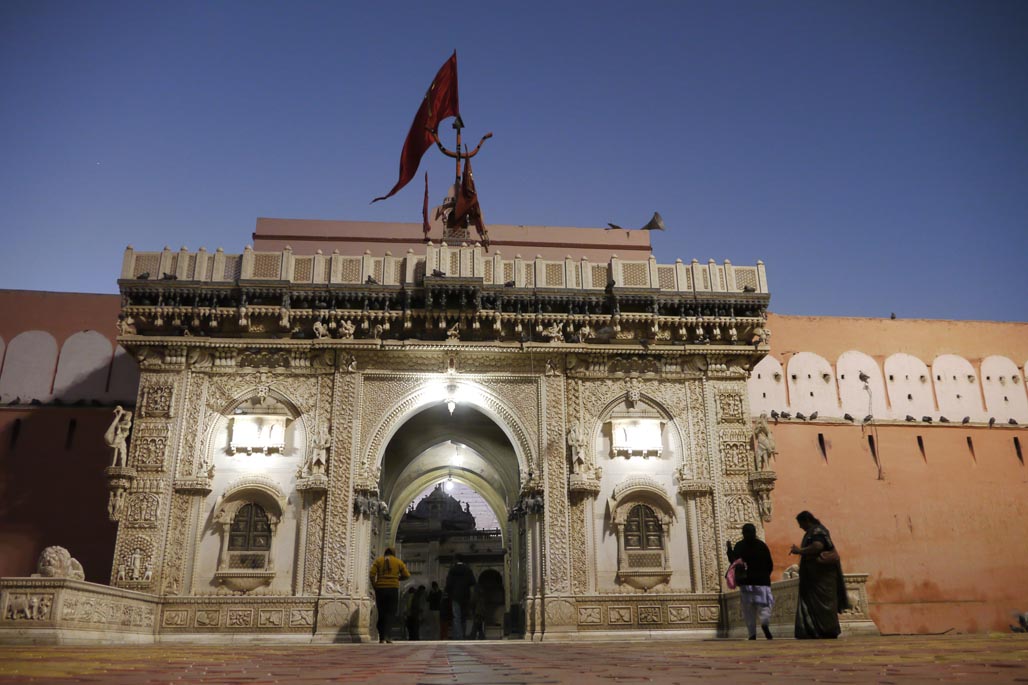
Laxmi Niwas Palace - Laxmi Niwas Palace was the residence of the king of Bikaner, Maharaja Ganga Singh. Built between 1898 and 1902 by British architect Sir Samuel Swinton Jacob, this structure displays an Indo-Saracenic architectural style. It is now a luxury hotel.

Karni Mata Temple  - Karni Mata Temple is a Hindu temple dedicated to Karni Mata at Deshnoke, 30 km from Bikaner, in Rajasthan, India. It is also known as the Temple of Rats. The temple is famous for the approximately 25,000 black rats that live, and are revered, in the temple. These holy rats are called kabbas, and many people travel great distances to pay their respects. The temple draws visitors from across the country for blessings, as well as curious tourists from around the world.

Image result for karni mata temple

Jain Temple Bhandasar - Jain Temple Bhandasar is a 15th century temple dedicated to the 5th Tirthankar (a person that has conquered the cycle of life, death and rebirth and paved the path for others to attain nirvana), Sumatinathji, and is one of the oldest monuments of Bikaner. The temple design includes intricate mirror work, murals and gold leaf paintings. Devotees throng to the temple from all corners of the country.

Kodamdesar Temple - 24 kilometres from Bikaner is the Kodamdesar Temple. Kodamdesar Bhainru Ji was installed by Rao Bikaji sometime during the first three years of his arrival from Jodhpur. This place of worship was initially chosen as the site to lay the foundation of Bikaner, but was later shifted to its present location.

Shri Laxminath Temple - The rulers of Bikaner regarded Lord Laxminathji (Lord Vishnu) as the real king of Bikaner and themselves as his Deewans or Ministers. This temple, made of marble and red stone, was constructed to enshrine Lord Laxminath whose throne rests here.

Image result for Shri Laxminath Temple

Shiv Bari Temple - Located just 6 kilometres from Bikaner, this Shiva temple is fortified by a high wall. It was commissioned and built by Maharaja Doongar Singh in the 19th century to commemorate his father Maharaja Lal Singh. The highlights of this red stone temple are beautiful wall paintings, the four-faced black marble Shiva statue and a bronze Nandi statue facing the Shiva-Lingam. The temple also houses two large reservoirs of water known as bawaris.

Gajner Palace and Lake - Gajner is an incomparable jewel of the Thar. The Gajner Palace was founded by Maharaja Gaj Singh ji of Bikaner in the year 1784, and then completed by the great Maharaja Ganga Singh of Bikaner on the banks of the lake. It was meant to serve as a hunting and relaxing lodge for the royal family as well as for visiting guests. It has now been converted into a hotel

Gajner Wildlife Sanctuary - Barely 32 kilometres from Bikaner, on the Jaisalmer road, is a lush green forest which is a haven to the nilgai, chinkara, black buck, wild boar, flocks of imperial sand grouse and many other species of migratory birds that make the sprawling forest their winter home.

Image result for Gajner Wildlife Sanctuary

Devi Kund - 8 kilometres from Bikaner is the royal crematorium. It has several exquisite chhatris (cenotaphs), each dedicated to the memory of a ruler of the Bikaji dynasty and situated on the exact spot where each of them was cremated. The chhatri of Maharaj Surat Singh is a fine example of the architecture of that era. Devi Kund also has cenotaphs of 22 female members of the royal family prior to Maharaja Gaj Sigh Ji, who committed sati. There is also one cenotaph of a Sata (male sati) of a ruler. Maharaja Surat Singh's Chhatri is built entirely in white marble with spectacular Rajput paintings on its ceiling.


Rajasthan Tourism

Rajasthan Tour Packages

Rajasthan Luxury Tours

Bikaner Attractions